Beginner Guides

The Ultimate Guide to Forex Signals: Beginner's Path to Success

Comprehensive guide for beginners on forex signals. Learn how they work and enhance your trading.

B
BestForexSignals Team
February 25, 2026·4 min read
The Ultimate Guide to Forex Signals: Beginner's Path to Success - Professional forex trading guide
Professional forex trading insights from BestForexSignals

The Ultimate Guide to Forex Signals: Everything Beginners Need to Know

Imagine having a roadmap that guides you through the forex market's twists and turns. That's what forex signals can offer. But what exactly are they, and how can you use them effectively? As a beginner, understanding forex signals can be the key to unlocking successful trading. In this comprehensive guide, we'll delve into what forex signals are, how they work, and how you can leverage them for your trading success.

TL;DR: Key Takeaways

  • Forex signals are recommendations for trading currency pairs.
  • They help traders make informed decisions without extensive analysis.
  • Signals can be generated by humans or automated systems.
  • Understanding signal types is crucial for effective use.
  • Proper risk management is essential when using signals.

What Are Forex Signals?

Trading concept illustration

Forex signals are essentially trade recommendations that provide traders with potential entry and exit points for currency pairs. These signals are generated based on various analyses and are designed to help traders make informed decisions without needing to conduct extensive market analysis themselves.

Typically, a forex signal will include:

  • Currency Pair: The specific currencies to trade, e.g., EUR/USD.
  • Entry Price: The suggested price level to enter the trade.
  • Stop Loss: A predetermined level to minimize losses, usually 20-50 pips from the entry price.
  • Take Profit: Target level to close the trade for a profit, often set with a 1:2 or 1:3 risk-reward ratio.

How Do Forex Signals Work?

Forex signals can be generated through manual analysis by professional traders or automatically via algorithms. Here's how each method works:

Manual Signals

These are generated by experienced traders who analyze market trends, economic data, and other relevant factors. They provide signals based on their expertise and judgment.

Automated Signals

These signals are produced by algorithms that scan the market using technical indicators and pre-set criteria. Automated signals can offer rapid execution and eliminate emotional bias.

Regardless of the method, the goal is to provide actionable insights that can enhance trading outcomes.

Types of Forex Signals

Trading concept illustration

Understanding the various types of forex signals can help you choose the right approach for your trading strategy. Here are the most common types:

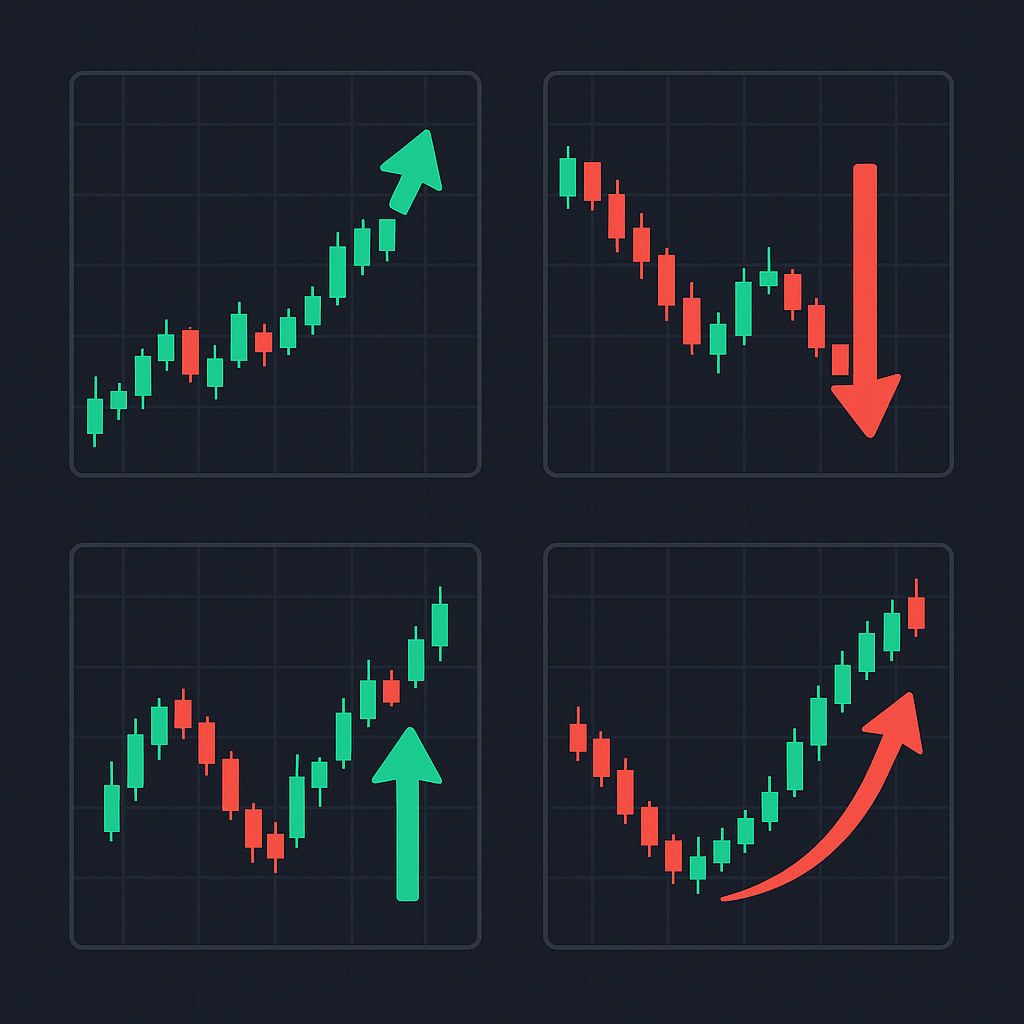
  • Trend Following Signals: These signals aim to capitalize on continuous market trends, suggesting trades in the direction of the prevailing trend.
  • Counter-Trend Signals: These signals are based on identifying potential reversals or corrections in the market.
  • Range-Bound Signals: Useful in sideways markets, these signals suggest trades based on support and resistance levels.

How to Use Forex Signals Effectively

To maximize the benefits of forex signals, it's important to integrate them into a well-rounded trading plan. Here are step-by-step guidelines:

  1. Choose a Reliable Signal Provider: Not all providers offer high-quality signals. Research and select a provider with a transparent track record and positive reviews. Consider visiting our guide on choosing a signal provider for more insights.
  2. Understand the Signal: Before executing any trade, ensure you fully understand the signal's components, including entry, stop loss, and take profit levels.
  3. Implement Risk Management: Use appropriate position sizing and stop loss orders to protect your capital. Check out our risk management guide for more detailed strategies.
  4. Monitor the Trade: Stay updated on market conditions and be ready to adjust your strategy if necessary.
  5. Review Performance: Regularly assess the performance of traded signals to identify patterns and improve future trades.

Comparison of Manual vs. Automated Forex Signals

Aspect Manual Signals Automated Signals
Execution Speed Moderate Fast
Emotional Influence Possible None
Adaptability High Limited
Reliability Depends on provider Depends on algorithm

Integrating Forex Signals with Your Trading Strategy

Forex signals should complement your trading strategy rather than replace it. Here's how you can integrate signals with your existing approach:

  • Use Signals for Confirmation: Validate your analysis with signals to boost confidence in your trades.
  • Combine with Technical Analysis: Use signals alongside tools such as moving averages and trend lines for a comprehensive view. Refer to our technical analysis guide for more information.
  • Adapt to Market Conditions: Adjust your strategy based on the volatility and trends indicated by the signals.

The Role of Trading Psychology in Using Forex Signals

Trading psychology plays a crucial role in how effectively you use forex signals. Maintaining discipline and managing emotions can significantly impact your trading success.

Here are some tips to enhance your trading psychology:

  • Stay Calm: Avoid impulsive decisions based on emotions.
  • Stick to Your Plan: Follow your trading plan and signals diligently.
  • Learn from Mistakes: Analyze unsuccessful trades to avoid repeating them.

FAQs about Forex Signals

  • What are forex signals? Forex signals are trade recommendations that include entry and exit points based on market analysis.
  • How can I receive forex signals? You can receive signals through services like our professional Telegram signals.
  • Are forex signals suitable for beginners? Yes, they can be very helpful for beginners if used with proper understanding and risk management.
  • Do forex signals guarantee profit? No, signals do not guarantee profit, and trading involves significant risk.

Risk Disclaimer: Trading forex involves a significant level of risk and is not suitable for all investors. Past performance does not guarantee future results. We recommend beginners start with demo trading to understand market dynamics without risking real money.

Ready to enhance your trading journey? Explore our forex signals and take advantage of professional insights delivered directly to you. Learn more about our services by visiting our About page or contact us for personalized support.

#forex signals#forex trading#trading guide#beginner forex#forex education
B
Written by
BestForexSignals Team
Best Forex Signals · Trading Expert

Ready to Start Trading with Professional Signals?

Join thousands of successful traders using the #1 best forex signals provider. Get accurate signals, risk management guidance, and 24/7 support.

View Top Signal Providers