Mastering Price Action Trading: A Complete Forex Strategy Guide
Deep dive into price action trading. Explore candlestick patterns, market structure, and effective strategies.

Mastering Price Action Trading: A Complete Forex Strategy Guide
Imagine navigating the forex markets with confidence, reading the price action like an open book. Price action trading empowers traders to understand market movements without relying heavily on indicators, focusing instead on pure price movements and patterns. Are you ready to enhance your trading skills?
TL;DR: Key Takeaways
- Price action trading focuses on historical price data to make trading decisions.
- Candlestick patterns are a crucial component of this strategy.
- Understanding market structure is essential for identifying trends.
- Effective risk management is crucial for long-term success.
- Price action can be applied to various timeframes and trading styles.
Understanding Price Action Trading
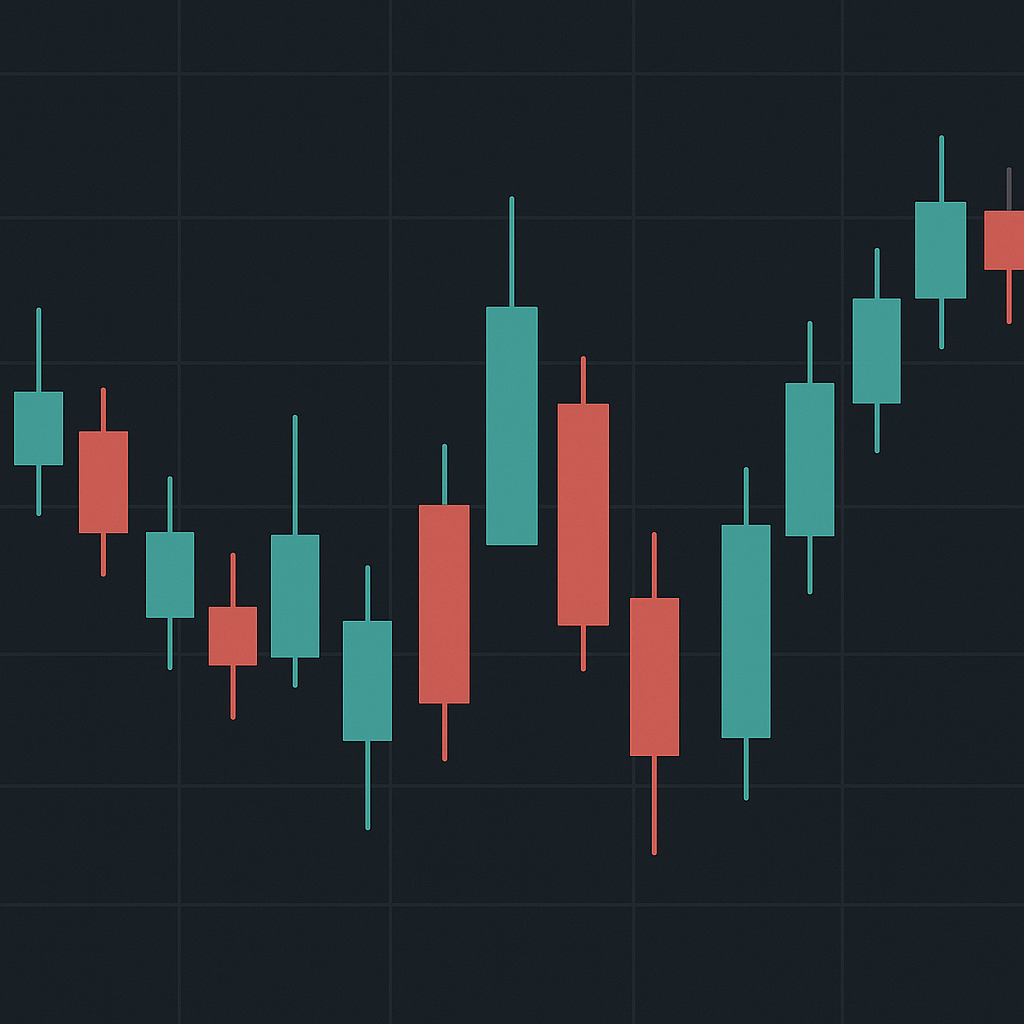
Price action trading revolves around analyzing past price movements to predict future market behavior. This method eschews complex indicators, instead relying on candlestick patterns, support and resistance levels, and trend lines. An adept trader can interpret these elements to anticipate price changes.
In the current market, EUR/USD trades around 1.0420, and GBP/USD at 1.2520, exemplifying the significance of monitoring market sentiment and economic shifts. For instance, a bullish engulfing pattern on the EUR/USD might suggest a trend reversal, encouraging a buy position with a stop loss 30 pips below the entry point.
Why Choose Price Action?
- Simplicity: Minimal reliance on technical indicators.
- Flexibility: Applicable across different markets and instruments.
- Real-time insights: Provides immediate feedback on market conditions.
By mastering price action, you gain the ability to tune into the market's rhythm, making informed decisions based on direct price interactions rather than lagging indicators.
Decoding Candlestick Patterns
Candlestick patterns form the cornerstone of price action trading, offering visual cues about market sentiment. Recognizing these patterns is crucial for predicting price movements.
Common Patterns:
- Doji: Indicates indecision and potential reversal.
- Engulfing: Signals a strong reversal when a smaller candle is completely enveloped by a larger one.
- Hammer and Hanging Man: Suggests reversal in downtrends and uptrends respectively.
For example, spotting a bullish engulfing pattern on USD/JPY at 157.50 could suggest a buying opportunity, aiming for a target of 80 pips with a risk-reward ratio of 1:2.
Step-by-Step: Analyzing a Candlestick Pattern
- Identify: Spot potential patterns on your chart.
- Confirm: Look for confluence with support/resistance levels or trend lines.
- Execute: Enter trades based on confirmed patterns, setting appropriate stops and targets.
The Role of Market Structure
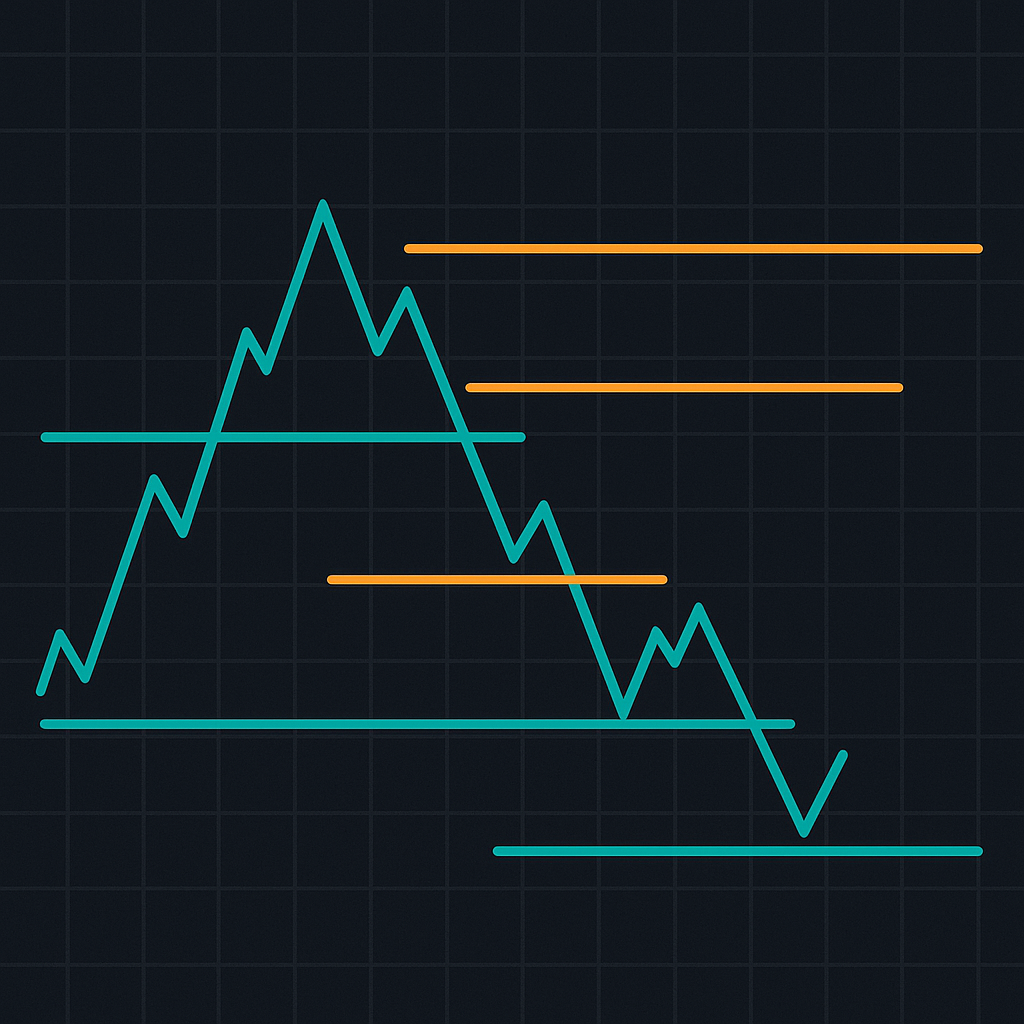
Market structure refers to the overall layout of price movements, encompassing trends, ranges, and key levels. Understanding this structure is vital for identifying trading opportunities.
Consider the current Dollar Index (DXY) level of 108.50. A breakout above this resistance might indicate a shift in trend, prompting traders to consider long positions with appropriate risk management.
Components of Market Structure
- Trends: Directional movements indicating bullish or bearish sentiment.
- Support and Resistance: Key levels where price historically reverses.
- Consolidation: Periods of indecision, often preceding a breakout.
By analyzing these components, you can better predict potential breakouts or reversals.
Entries and Exits: Timing Your Trades
Effective entries and exits are crucial in price action trading. Timing your trades involves identifying optimal points where the probability of success is highest.
For instance, entering a trade on GBP/USD at 1.2520 after a confirmed breakout from a consolidation pattern might offer a lucrative opportunity. Setting a stop loss 40 pips away with a take profit of 80 pips ensures a favorable 1:2 risk-reward ratio.
Step-by-Step: Crafting a Trade Plan
- Define: Establish clear entry and exit criteria.
- Monitor: Use real-time data to confirm your trade setup.
- Adjust: Be prepared to modify your plan as new information emerges.
Risk Management: Safeguarding Your Capital
Risk management is the bedrock of successful trading. Without it, even the best strategies can falter. Price action trading requires a disciplined approach to managing risk.
Consider trading gold (XAUUSD) at $2660.00. A prudent trader might risk 1% of their capital on each trade, ensuring they can withstand a series of losses without significant depletion of their account.
Key Risk Management Techniques
- Position Sizing: Adjusting trade size based on account balance and risk tolerance.
- Stop Losses: Predetermined points to exit a trade to prevent excessive loss.
- Risk-Reward Ratios: Ensuring potential rewards justify the risks taken.
For more in-depth strategies, explore our Forex Risk Management Guide.
Adapting to Market Changes
The forex market is dynamic, with constant shifts driven by economic data, geopolitical events, and market sentiment. Successful price action traders remain adaptable, ready to pivot strategies as conditions evolve.
For instance, in volatile markets, such as those influenced by unexpected central bank announcements, traders might switch to shorter timeframes to capture quick profits while minimizing exposure.
Harnessing Advanced Price Action Techniques
Once the basics are mastered, traders can delve into advanced techniques like multi-timeframe analysis and order flow reading to gain deeper insights into market dynamics.
By analyzing multiple timeframes, traders can better align their strategies with broader market trends, while order flow reading provides clues about the intentions of larger market participants.
Tools and Resources for Price Action Traders
While price action trading minimizes reliance on indicators, certain tools can enhance your analysis:
- Charting Software: Platforms like MetaTrader 4/5 offer robust charting capabilities.
- Economic Calendars: Stay updated with key economic events that impact market movements.
- Trading Journals: Record and review trades to identify patterns and improve strategies.
Explore our Technical Analysis Guide for more insights.
Common Challenges in Price Action Trading
Like any strategy, price action trading comes with its own set of challenges, including maintaining discipline and avoiding overtrading.
Traders often struggle with emotional decision-making, particularly after consecutive losses or wins. Developing a robust trading plan and adhering to it can mitigate these challenges.
Conclusion: Embrace Price Action with BestForexSignals
Price action trading offers a powerful framework for understanding and navigating the forex markets. By focusing on price movements and patterns, traders can make informed decisions with confidence.
Ready to take your trading to the next level? Explore our Forex Signals and educational resources at BestForexSignals. Our professional signals, delivered via Telegram, provide actionable insights to enhance your trading journey.
FAQ
- What is price action trading?
Price action trading is a strategy focused on analyzing historical price movements to predict future market behavior. - Which candlestick patterns are most reliable?
Engulfing patterns, doji, and hammers are commonly used for identifying reversals. - How can I improve my risk management?
Adopt position sizing, set stop losses, and use favorable risk-reward ratios. - Can price action be used for all timeframes?
Yes, it's versatile and can be applied across different timeframes and instruments. - Where can I learn more about forex trading?
Visit our Beginners Guide for comprehensive resources.
Risk Disclaimer: Trading forex involves significant risk and may not be suitable for all investors. Consider your investment objectives and risk tolerance before trading. Past performance does not guarantee future results.
Call to Action: Enhance your trading skills with our professional signals and educational content. Join our community on Telegram and explore our pricing plans today!


