Mastering Forex Seasonal Patterns for Year-Round Profits
Explore forex seasonal patterns and optimize your trading strategy year-round.

Mastering Forex Seasonal Patterns for Year-Round Profits
Imagine navigating the forex markets with the precision of a seasoned sailor who knows exactly when the tides will turn. Understanding forex seasonal patterns can provide you with the insights needed to optimize your trading strategy and increase your chances of success.
TL;DR: Key Takeaways
- Forex markets exhibit seasonal patterns due to recurring economic cycles and events.
- Currency pairs like EUR/USD and USD/JPY show historical trends based on seasons.
- Analyzing historical data helps predict currency behavior, enhancing trading strategies.
- Risk management remains crucial; always use stop-loss and take-profit levels.
Understanding Forex Seasonal Patterns
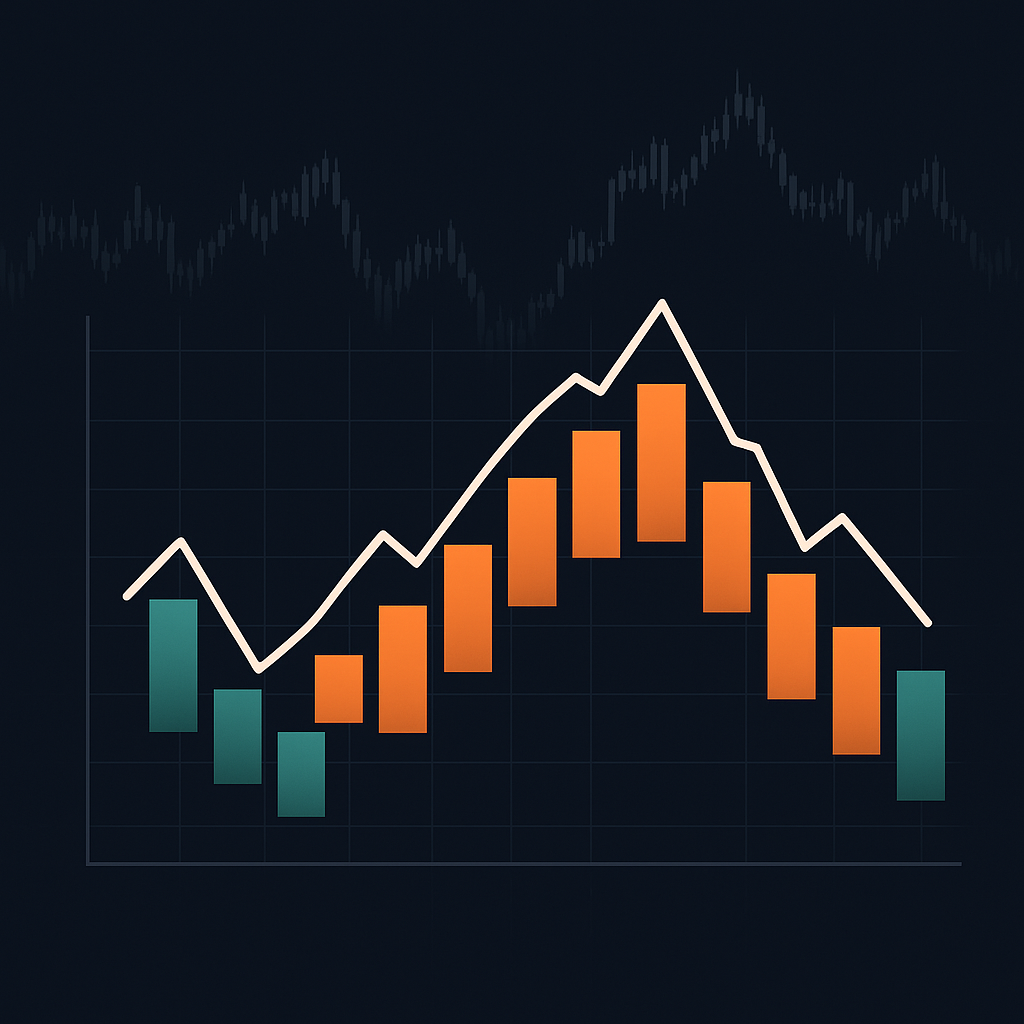
Forex seasonal patterns refer to historical trends in currency movements that recur during specific times of the year. These patterns often arise from predictable economic cycles, such as fiscal year ends, agricultural cycles, or holiday seasons that affect market liquidity and volatility.
For instance, the EUR/USD pair often exhibits increased volatility during the summer months as European countries engage in tourism, affecting currency flow. Similarly, USD/JPY may see movements based on Japan’s fiscal year-end in March.
Historical Data: The Key to Seasonal Patterns
To effectively harness seasonal patterns, traders must delve into historical data analysis. By examining past performance, you can identify periods where certain currency pairs consistently demonstrated predictable behaviors. Historical data can highlight trends such as the strength of the U.S. dollar during the tax season, impacting pairs like GBP/USD and EUR/USD.
For example, the dollar index (DXY), currently at 108.50, might show strength in the first quarter due to end-of-year financial reporting, influencing forex strategies globally.
Common Seasonal Trends in Major Currency Pairs
| Currency Pair | Seasonal Trend | Implications |
|---|---|---|
| EUR/USD | Summer volatility due to European tourism | Potential trading opportunities with forex signals |
| USD/JPY | March volatility due to fiscal year-end | Adjust stop-loss levels accordingly |
| GBP/USD | Strength in Q1 due to tax season | Consider long positions |
Step-by-Step: Incorporating Seasonal Patterns into Your Strategy
- Research and Analyze: Use platforms and tools to backtest historical data for your chosen currency pairs.
- Plan Your Trades: Develop a trading plan that incorporates expected seasonal trends.
- Set Risk Parameters: Establish stop-loss and take-profit levels to manage risk effectively.
- Monitor Market Conditions: Stay updated with current market news and adjust your strategy as necessary.
- Review and Adjust: Regularly review the effectiveness of your strategy and refine it based on performance.
Real-Life Scenario: Trading EUR/USD in Summer
Let’s consider a practical example. Suppose the EUR/USD is currently trading at 1.0420, and historical data indicates increased volatility during July. A trader could plan a strategy around this expectation, setting a stop-loss 30 pips below the entry point and aiming for a take-profit 60 pips above, ensuring a 1:2 risk-reward ratio.
Utilizing technical analysis tools alongside seasonal trends can provide further confirmation for entries and exits.
Common Pitfalls and How to Avoid Them
While seasonal patterns can enhance trading strategies, they are not foolproof. Traders must beware of over-relying on historical patterns without considering current economic and geopolitical contexts. Always combine seasonal insights with other forms of analysis and risk management practices.
For beginners, it’s advisable to practice on demo accounts before moving to live trading. Our risk management guide offers valuable insights into safeguarding your trades.
FAQ: Your Seasonal Patterns Questions Answered
- What are forex seasonal patterns? Historical trends in currency movements that occur at specific times of the year.
- How reliable are these patterns? While useful, they should be combined with other analysis forms for accuracy.
- Can I use seasonal patterns on all currency pairs? Primarily effective on major pairs with significant historical data.
- How do I start using these patterns? Begin with research and backtesting on demo accounts.
Risk Disclaimer: Forex trading involves significant risk and is not suitable for all investors. Past performance does not guarantee future results. Always consider your risk tolerance before trading.