Mastering Forex Market Regime Changes: Strategies for Adaptation
Adapt to forex market regime changes with expert strategies and insights for successful trading.

Mastering Forex Market Regime Changes: Strategies for Adaptation
Are you prepared to navigate the ever-shifting tides of the forex market? As a seasoned trader, you know that market conditions aren't static. They evolve, often unexpectedly, demanding a well-honed ability to adapt. This comprehensive guide will equip you with the strategies to identify and react to market regime changes effectively.
TL;DR: Key Takeaways
- Market regime changes are shifts from trending to ranging markets or changes in volatility levels.
- Indicators like moving averages, Bollinger Bands, and ATR help identify these changes.
- Adapting your strategy involves adjusting risk management and trade setups.
- Practice with demo accounts to refine your adaptation strategies before live trading.
Understanding Market Regime Changes
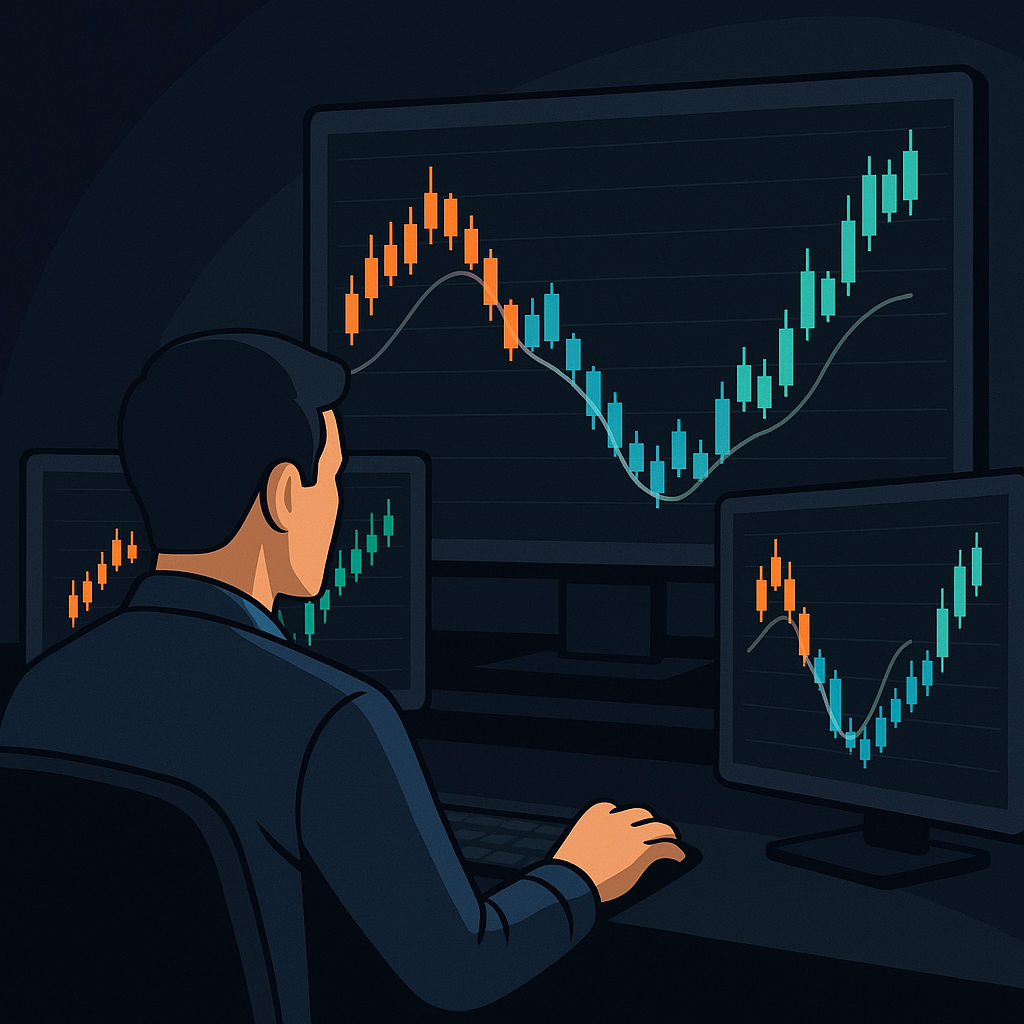
Market regime changes refer to the transitions in the market's behavior, such as moving from a trending phase to a ranging phase or experiencing a volatility spike. Recognizing these changes is crucial for sustaining profitability. For example, when the EUR/USD shifts from a steady uptrend at 1.0420 to a choppy range, a swing trading strategy might underperform compared to a scalping approach.
The Importance of Identifying Regime Shifts
Identifying regime shifts allows traders to optimize their strategies. In a trending market, trend-following strategies can maximize returns, while in a ranging market, mean-reversion strategies might prevail. For instance, if the USD/JPY moves towards 157.50 with increased volatility, it might be time to reconsider position sizes and entry points.
Tools for Detecting Market Regime Changes
Several indicators and tools can help traders detect market regime changes. Here’s a comparison of some popular tools:
| Indicator | Function | Best Used In |
|---|---|---|
| Moving Averages | Identifies trend direction and strength | Trending Markets |
| Bollinger Bands | Measures market volatility | Volatility Breakouts |
| ATR (Average True Range) | Quantifies price volatility | All Market Types |
Using Moving Averages
Moving averages are a cornerstone of technical analysis. The crossover of short-term and long-term moving averages can signal a potential regime change. For example, if the 50-day moving average crosses above the 200-day on the GBP/USD at 1.2520, it might indicate a shift to a bullish trend.
Strategy Adaptations for Different Regimes
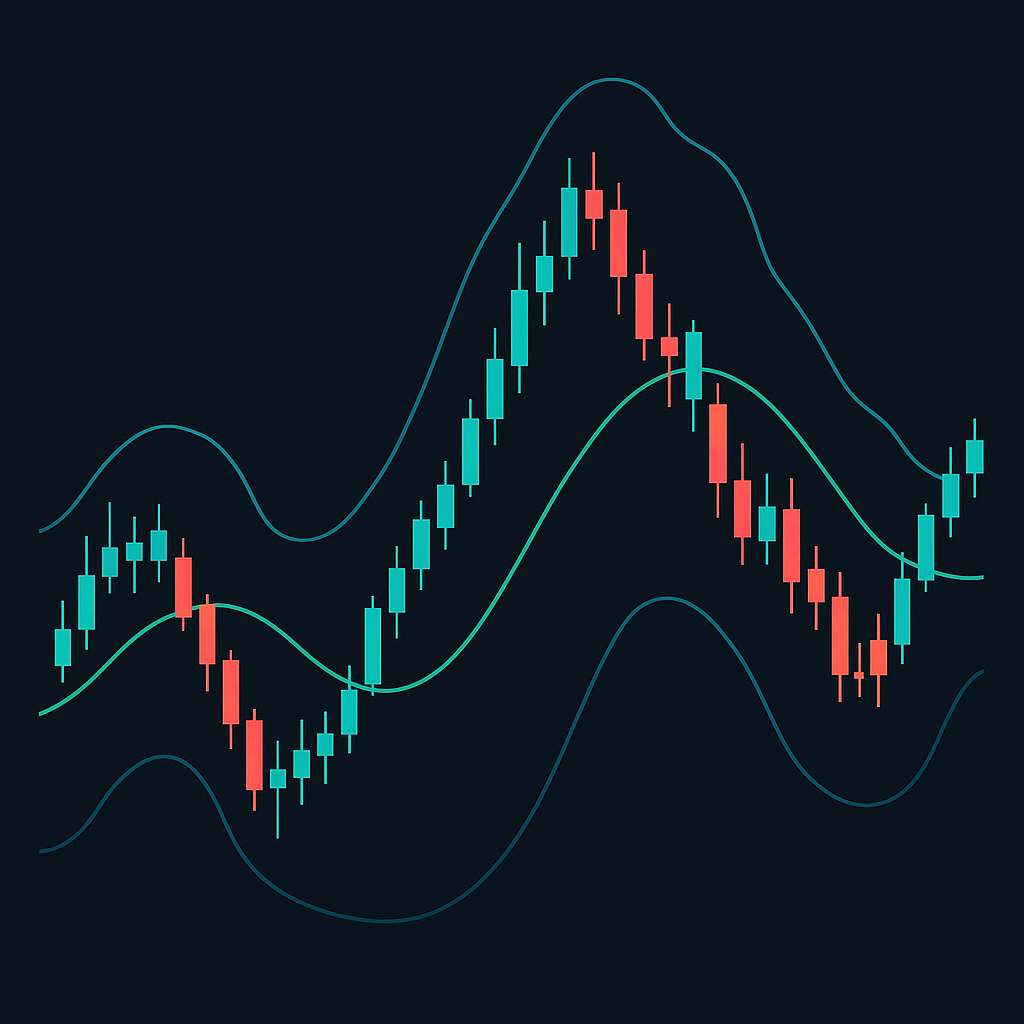
Adapting your strategy involves altering your approach based on the current market conditions. Here are some strategies to consider:
Trending Markets
In a trending market, traders should focus on momentum strategies. Utilizing tools like the MACD and RSI can help confirm trend strength. For instance, if the Dollar Index (DXY) is trending upwards at 108.50, a position aligned with the trend can optimize returns.
Ranging Markets
For ranging markets, consider strategies that capitalize on price oscillations within a defined range. Bollinger Bands can highlight overbought and oversold conditions. Suppose Gold (XAUUSD) is fluctuating around $2660.00; employing a mean-reversion strategy might be more effective.
Volatility Shifts and Their Impact
Understanding volatility shifts is essential. Increased volatility can lead to larger price swings, affecting stop-loss distances and position sizes. For example, an ATR increase suggests wider stop-losses to avoid premature exits. If the EUR/USD experiences heightened volatility, adjust your risk management accordingly.
Step-by-Step Guide to Adapting Your Strategy
- Identify the Current Market Regime: Use indicators to determine if the market is trending, ranging, or experiencing high volatility.
- Adjust Your Strategy: Tailor your trading plan to suit the identified regime. This may involve changing indicators or strategy types.
- Modify Risk Parameters: Adapt your stop-loss and take-profit levels based on current volatility conditions.
- Backtest and Paper Trade: Before live trading, backtest your strategy on historical data and practice on a demo account.
Common Challenges in Adapting to Market Regime Changes
Traders often face challenges in adapting to new market conditions. Emotional biases, such as fear and greed, can cloud judgment. It’s vital to maintain a disciplined approach, relying on data rather than emotions to guide decisions.
Overcoming Emotional Biases
To combat emotional biases, set predefined rules for when to adjust strategies. This removes subjectivity and helps maintain consistency. If the USD/JPY suddenly spikes, sticking to your pre-set rules can prevent rash decisions.
FAQ Section
- What are market regime changes?
Market regime changes are shifts in the market's behavior, such as moving from a trend to a range or experiencing a volatility spike. - How can I identify a market regime change?
Use technical indicators like moving averages and Bollinger Bands to identify changes in trends and volatility. - What strategies work best in a trending market?
Momentum strategies using indicators like MACD and RSI are effective in trending markets. - How should I adjust my risk management during volatility shifts?
Increase stop-loss distances and adjust position sizes to account for larger price swings. - Is it beneficial to use demo accounts for strategy testing?
Yes, demo accounts are invaluable for testing and refining strategies without financial risk.
Risk Disclaimer: Forex trading involves significant risk and is not suitable for all investors. Past performance does not guarantee future results. Ensure you understand the risks involved and consider demo trading to practice strategies.