Mastering EUR/USD: A Deep Dive into the Euro's Market Dynamics
Delve into EUR/USD market dynamics and trading strategies. Master the Euro's movements.

Mastering EUR/USD: A Deep Dive into the Euro's Market Dynamics
The EUR/USD is the most traded currency pair in the forex market, and understanding its dynamics is crucial for any serious trader. This pair not only represents two of the largest economies in the world but also offers unique trading opportunities due to its high liquidity and frequent volatility. In this comprehensive guide, we will delve into the factors influencing the EUR/USD, including economic indicators, geopolitical events, and seasonal trends. By the end of this article, you'll be equipped with the knowledge to adapt your trading strategies and make informed decisions.
TL;DR: Key Takeaways
- The EUR/USD is influenced by economic indicators from both the Eurozone and the United States.
- Geopolitical events can cause significant volatility in the pair.
- Seasonal trends and market sentiment also play crucial roles.
- Risk management is key when trading such a dynamic pair.
Understanding the EUR/USD Pair
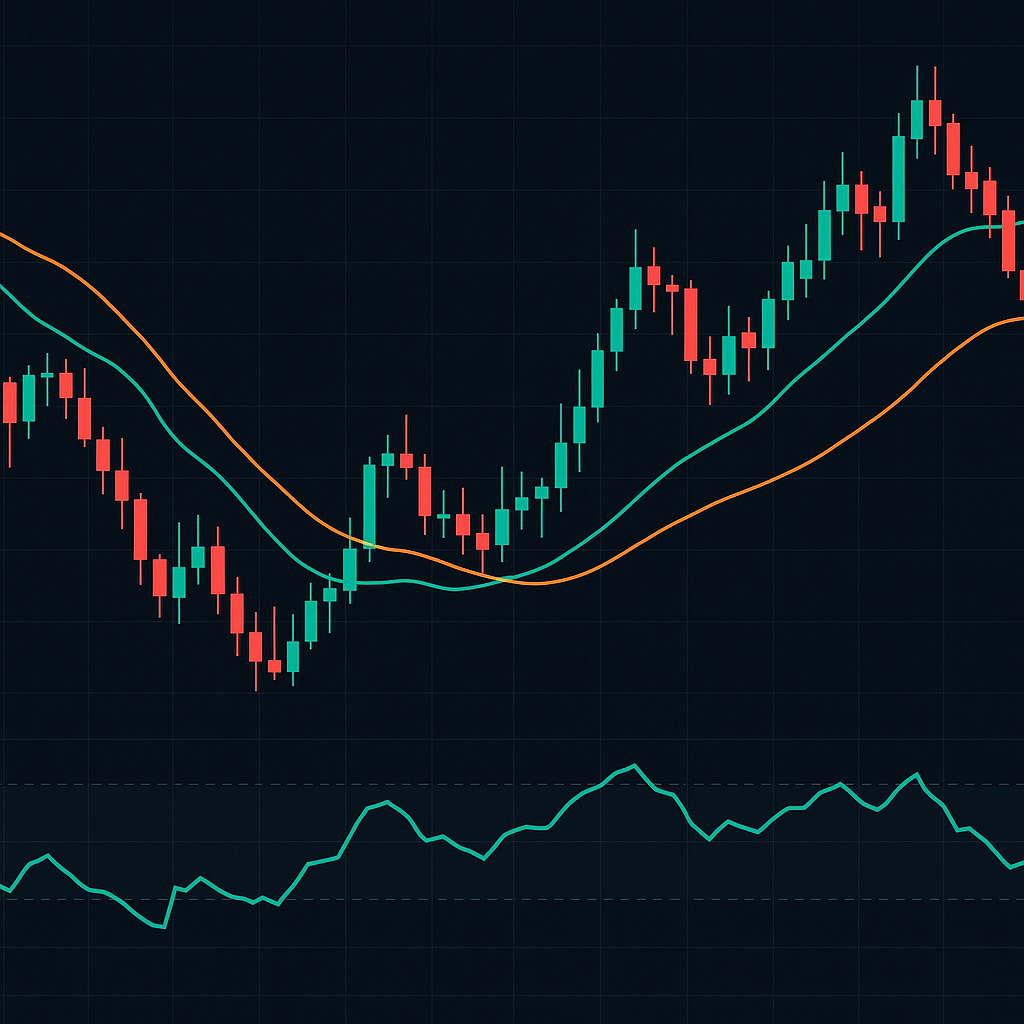
The EUR/USD currency pair is the most traded pair globally, accounting for a significant portion of the forex market's daily turnover. Traders are drawn to this pair due to its liquidity, tight spreads, and the availability of a wealth of information on the economic forces influencing it. The current market context places the EUR/USD around 1.0420, reflecting ongoing economic dynamics between Europe and the United States.
Why is EUR/USD so Popular?
The popularity of the EUR/USD can be attributed to several factors. Firstly, the Eurozone and the United States have robust economies, making their currencies stable and appealing for traders. Secondly, the pair's high liquidity means that trades can be executed quickly and with minimal slippage, which is ideal for both scalpers and long-term traders.
Factors Influencing EUR/USD
Several factors influence the EUR/USD, including economic indicators such as GDP growth, unemployment rates, and inflation data. Central bank policies, particularly those of the European Central Bank (ECB) and the Federal Reserve, also play a significant role. Geopolitical events, such as elections or economic sanctions, can cause sudden shifts in the pair's value, offering both risks and opportunities for traders.
Economic Indicators and Their Impact
Economic indicators are vital in understanding the EUR/USD's movements. Key indicators include:
- Interest Rates: Changes in interest rates by the ECB or the Fed can lead to significant shifts in the EUR/USD pair. Generally, higher interest rates attract foreign capital and cause the currency to appreciate.
- Inflation Data: Inflation rates give insights into the purchasing power of a currency. A higher inflation rate in the Eurozone compared to the US might weaken the Euro against the Dollar.
- GDP Growth: Strong GDP growth in either region indicates a healthy economy, potentially strengthening its currency.
Analyzing Recent Economic Data
As of now, the Eurozone is experiencing moderate GDP growth, while the US economy shows signs of resilience despite global challenges. The Dollar Index (DXY) stands at 108.50, indicating a robust US Dollar, partly due to the Federal Reserve's hawkish stance on interest rates. In contrast, the Euro is navigating through a period of economic uncertainty, influenced by energy crises and geopolitical tensions.
Geopolitical Events and Their Influence
Geopolitical events can have immediate and profound impacts on the EUR/USD pair. From elections to trade wars, these events can create volatility, which traders can capitalize on if they're well-prepared.
Case Study: The Impact of the Ukraine Conflict
The recent conflict in Ukraine has significantly impacted the Eurozone's economic landscape. Sanctions against Russia have led to energy shortages and rising prices, affecting the Euro's strength. Traders must pay close attention to developments in such geopolitical scenarios, as they can lead to sharp movements in the EUR/USD pair.
Seasonal Trends in EUR/USD Trading
Seasonal trends can also influence the EUR/USD, with certain periods traditionally experiencing higher volatility. For instance, the summer months often see lower trading volumes and increased volatility due to reduced market participation.
How to Adapt Your Strategy
Traders should consider these seasonal patterns when planning their strategies. During high-volatility periods, employing strategies that benefit from large price swings, such as breakout trading, can be advantageous. Conversely, during quieter times, range-bound strategies might be more appropriate.
Technical Analysis of EUR/USD
Technical analysis is a critical component of trading the EUR/USD. By analyzing price charts and using technical indicators, traders can identify trends and potential entry and exit points.
Key Technical Indicators
Some popular technical indicators for EUR/USD include:
- Moving Averages: Used to identify trends and potential reversals.
- Relative Strength Index (RSI): Helps identify overbought or oversold conditions.
- Bollinger Bands: Useful for detecting volatility and potential breakouts.
Risk Management When Trading EUR/USD
Effective risk management is essential when trading any currency pair, but it's especially crucial for the EUR/USD due to its volatility. Traders should always adhere to sound risk management practices, such as setting stop-loss orders and maintaining a favorable risk-reward ratio.
Implementing a Risk Management Plan
Consider the following steps for effective risk management:
- Define your risk tolerance based on your trading capital and experience level.
- Set stop-loss orders 20-50 pips from your entry to protect against adverse movements.
- Use a 1:2 or 1:3 risk-reward ratio to ensure potential profits outweigh potential losses.
Using Forex Signals to Enhance EUR/USD Trading
Benefits of Forex Signals
Forex signals offer several benefits, including:
- Time Savings: Save time on analysis and focus on executing trades.
- Expert Insights: Gain access to expert opinions and analysis.
- Increased Accuracy: Improve your trading accuracy with well-researched signals.
Comparison Table: EUR/USD vs. Other Major Pairs
| Currency Pair | Liquidity | Volatility | Spread |
|---|---|---|---|
| EUR/USD | High | Moderate | Low |
| GBP/USD | High | High | Moderate |
| USD/JPY | High | Low | Low |
FAQs About Trading EUR/USD
- What makes EUR/USD the most traded currency pair?
The EUR/USD's high liquidity, tight spreads, and the economic stability of the Eurozone and US make it highly attractive. - How can I manage risk when trading EUR/USD?
Implementing stop-loss orders and maintaining a favorable risk-reward ratio are crucial risk management strategies. - What are the best times to trade EUR/USD?
The overlap of the London and New York sessions offers the highest liquidity and volatility. - How do geopolitical events affect EUR/USD?
Geopolitical events can cause sudden volatility, affecting the pair's price movement significantly. - Can forex signals improve my EUR/USD trading?
Yes, professional signals can provide expert insights and enhance trading accuracy.
Risk Disclaimer: Trading forex involves significant risk, and you should only trade with money you can afford to lose. Past performance is not indicative of future results. Always consider your risk tolerance and seek independent advice if necessary.