Free vs Paid Forex Signals: Understanding the True Value
Explore the real differences between free and paid forex signals and learn which is right for you.

In the world of forex trading, signals can guide you through the labyrinth of currency pairs, economic data, and market volatility. But not all signals are created equal. The choice between free forex signals and paid forex signals is pivotal for traders at every level. Let's dive into the real differences and help you decide which path suits your trading goals.
TL;DR: Key Differences Between Free and Paid Forex Signals
- Free signals often lack comprehensive analysis and support.
- Paid signals provide detailed market analysis and professional guidance.
- Consider your trading goals and budget when choosing.
- Both types have their pros and cons depending on your experience level.
- Risk management and strategy are crucial regardless of signal type.
The Basics of Forex Signals
Forex signals are essentially trade recommendations, typically consisting of entry points, stop-loss levels, and take-profit targets. They are generated by experienced traders or algorithms to help others make informed trading decisions. With the EUR/USD currently hovering around 1.0420 and GBP/USD at 1.2520, signals can guide you through the noise.
What Are Free Forex Signals?
Free forex signals are usually offered by platforms looking to attract new users or by experienced traders sharing their insights. While these signals can be a good starting point, they often come without the depth of analysis, risking your reliance on them. With USD/JPY at 157.50, a free signal might suggest entry and exit points but lack detailed reasoning.
Paid Forex Signals: What Do They Offer?
Paid forex signals, on the other hand, are typically part of a comprehensive service that includes in-depth analysis, educational content, and support. These signals are crafted by experts who analyze market trends, economic indicators, and technical patterns. For instance, with Gold (XAUUSD) priced at $2660.00, a paid signal provider might offer insights into market sentiment and potential price moves.
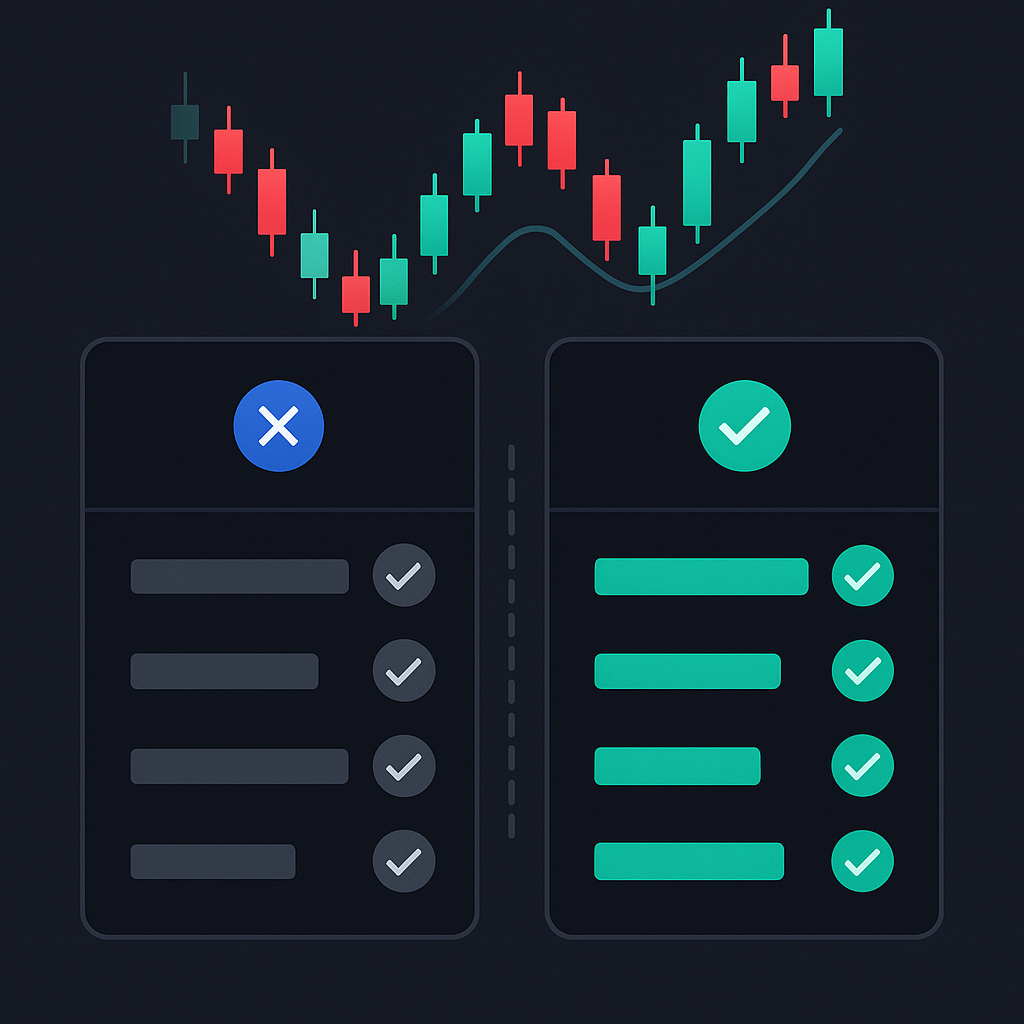
Free vs Paid Forex Signals: A Detailed Comparison
| Feature | Free Signals | Paid Signals |
|---|---|---|
| Cost | Free | Monthly or annual fee |
| Analysis | Basic, often limited | Comprehensive and detailed |
| Support | Minimal or none | 24/7 customer support |
| Success Rate | Varies widely | Higher, with track record |
| Learning Resources | Limited | Extensive educational content |
When to Use Free Forex Signals
Free forex signals can be beneficial for beginners looking to dip their toes into forex trading without committing financially. They provide a glimpse into potential market movements and help you learn about trading dynamics. However, it's crucial to use these signals as a learning tool rather than a guaranteed profit source.
Advantages of Free Forex Signals
- No financial commitment required.
- Opportunity to test different trading strategies.
- Access to basic market insights and trends.
Drawbacks of Free Forex Signals
- Limited analysis and support.
- Potentially lower accuracy and reliability.
- May not align with your risk tolerance and trading goals.
Maximizing Value with Paid Forex Signals
Paid forex signals are ideal for traders who are serious about enhancing their trading performance. By subscribing to a paid service, you gain access to expert insights, support, and a community of like-minded traders. This is especially beneficial given the current volatility in the markets, with the Dollar Index (DXY) at 108.50.
Why Choose Paid Forex Signals?
- Comprehensive market analysis and insights.
- Regular updates and alerts on market conditions.
- Access to a community of professional traders and analysts.
How to Choose the Right Paid Forex Signal Provider
Choosing the right provider is crucial for maximizing the benefits of paid signals. Consider factors such as the provider's track record, transparency, and the quality of their educational resources. For more detailed guidance, check out our guide on choosing a forex signal provider.
Step-by-Step: Implementing Forex Signals in Your Strategy
To make the most of forex signals, whether free or paid, you need to integrate them into a well-rounded trading strategy. Here's a step-by-step approach:
- Set Clear Goals: Define your trading objectives and risk tolerance.
- Choose Your Signal Type: Decide between free and paid based on your needs and budget.
- Backtest and Demo Test: Use demo accounts to test the signals and refine your strategy.
- Implement Risk Management: Incorporate stop-loss and take-profit levels to manage risk, as detailed in our risk management guide.
- Monitor and Adjust: Continuously assess signal performance and adjust your strategy accordingly.
Common Pitfalls in Using Forex Signals
While forex signals can be incredibly beneficial, there are common pitfalls traders should avoid:
- Over-reliance: Relying solely on signals without understanding the underlying analysis can be risky.
- Ignoring Risk Management: Failing to implement proper risk management can lead to significant losses.
- Chasing Performance: Switching providers based on short-term performance can disrupt your trading strategy.
FAQ: Free and Paid Forex Signals
- Can I make money with free forex signals? While possible, free signals often lack the depth and support needed for consistent profitability.
- Are paid forex signals worth the cost? Yes, if they come from a reputable provider with a proven track record and offer comprehensive resources.
- How do I know if a signal provider is reliable? Look for transparency, historical performance data, and user reviews.
- What should I do if a signal doesn't perform well? Re-evaluate your strategy and consider diversifying your signal sources.
Risk Disclaimer: Forex trading involves significant risk of loss and is not suitable for all investors. Past performance does not guarantee future results. Always practice due diligence and risk management when trading.