Forex Trading for Beginners: Your Definitive Guide to Getting Started
Learn forex trading from scratch with our comprehensive beginner's guide. Start your journey today!

Forex Trading for Beginners: Your Definitive Guide to Getting Started
Have you ever wondered what it takes to start trading forex? The world of foreign exchange can seem daunting at first, but with the right guidance, you can navigate it with confidence. In this comprehensive guide, we'll walk you through the basics of forex trading, offering step-by-step instructions, real-world examples, and essential tips to get you started.
TL;DR: Key Takeaways
- Forex trading involves buying and selling currency pairs to profit from price fluctuations.
- EUR/USD, GBP/USD, USD/JPY are popular currency pairs to start with.
- Understanding market trends and using technical analysis can improve your trading success.
- Risk management strategies are crucial to protect your investment.
- Start with a demo account before trading with real money.
What is Forex Trading?
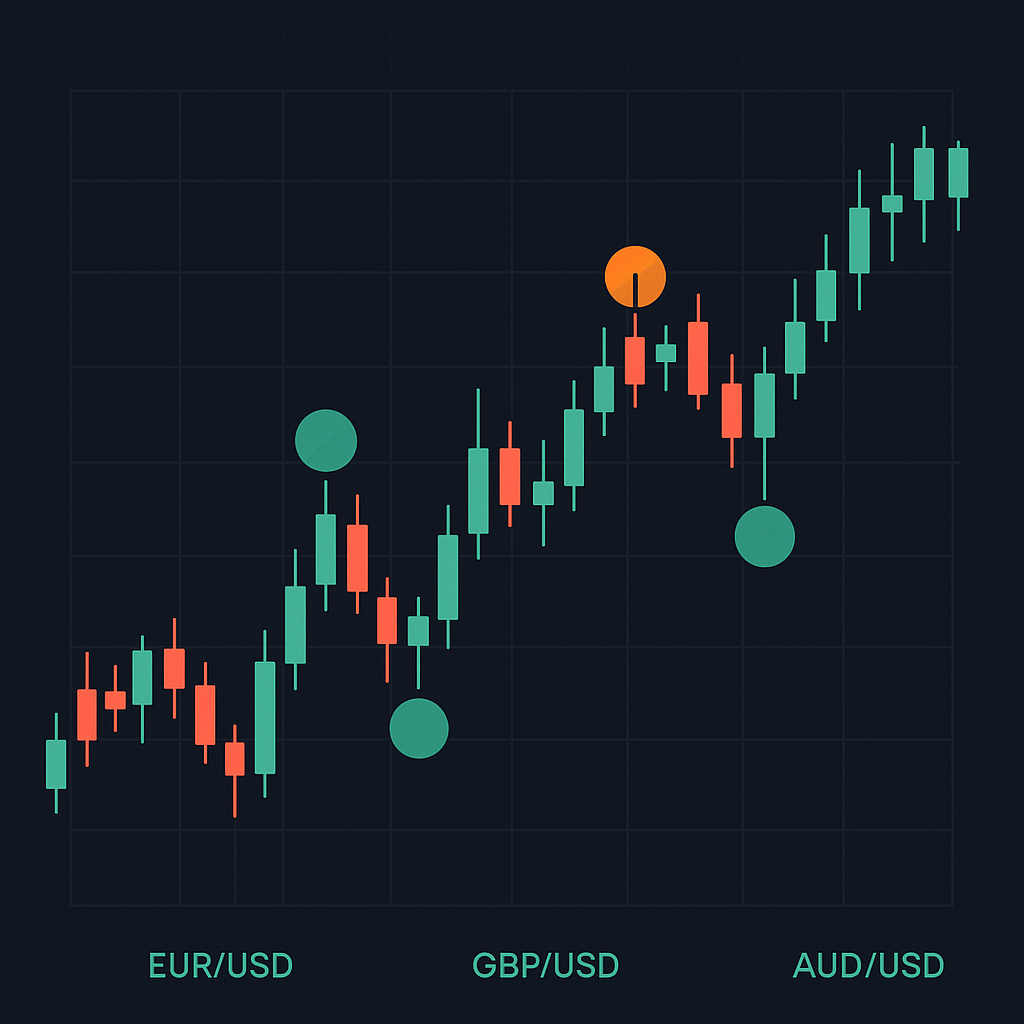
Forex trading, or foreign exchange trading, involves the exchange of one currency for another. It's one of the largest financial markets in the world, with a daily trading volume exceeding $6 trillion. This market is open 24 hours a day, five days a week, making it accessible to traders worldwide.
The primary objective in forex trading is to profit from the fluctuations in currency values. For instance, if you believe the EUR/USD pair will increase from its current rate of 1.0420, you might buy EUR/USD. If your prediction is correct and the price increases, you can sell the pair for a profit.
Why Trade Forex?
Forex trading offers numerous advantages that attract traders of all levels. Some of the key benefits include:
- High Liquidity: With large volumes traded daily, forex markets offer high liquidity, meaning trades can be executed quickly and easily.
- Leverage: Forex brokers offer leverage, allowing you to trade larger positions with a smaller amount of capital.
- Diverse Strategies: From day trading to long-term investing, forex accommodates various trading styles and strategies.
- Accessibility: The forex market is open 24/5, providing ample opportunities to trade at your convenience.
Understanding Currency Pairs
Forex trading revolves around currency pairs, representing the exchange rate between two currencies. The first currency in a pair is the base currency, while the second is the quote currency. For example, in EUR/USD, the euro (EUR) is the base currency, and the US dollar (USD) is the quote currency.
Currency pairs are categorized into three main types:
- Majors: These include pairs with the USD, such as EUR/USD, GBP/USD, and USD/JPY.
- Minors: Pairs that do not include the USD, such as EUR/GBP or AUD/JPY.
- Exotics: Pairs consisting of a major currency and a currency from a developing economy, like USD/SGD or EUR/TRY.
How to Get Started in Forex Trading
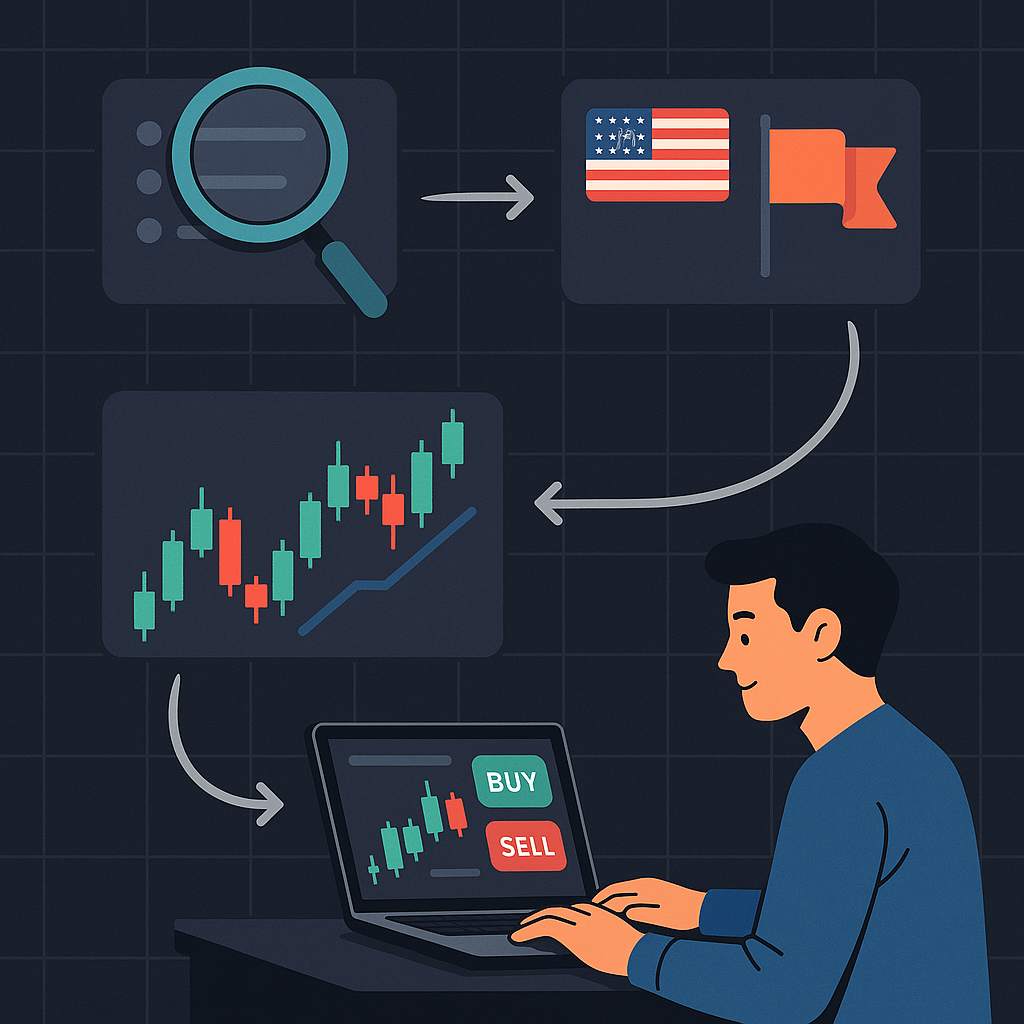
Getting started in forex trading involves several crucial steps. Below, we've outlined a step-by-step approach to help you navigate your first trades effectively:
Step 1: Educate Yourself
Begin by learning the basics of forex trading. Understanding key concepts such as pips, lots, leverage, and margin is essential. Consider exploring our Beginner's Guide to Forex Trading for a comprehensive overview.
Step 2: Choose a Reliable Broker
Selecting a trustworthy forex broker is crucial. Look for brokers that offer competitive spreads, reliable platforms, and robust customer support. Transparency in pricing and regulation should also be key considerations.
Step 3: Open a Demo Account
Before risking real capital, practice trading with a demo account. This allows you to familiarize yourself with the trading platform and test strategies without financial risk.
Step 4: Develop a Trading Plan
A well-defined trading plan includes your goals, risk tolerance, and strategies. It serves as a roadmap to guide your trading decisions and keep emotions in check.
Step 5: Start Trading with Real Money
Once confident, transition to a live account. Begin with a small amount of capital and gradually increase your investment as you gain experience and confidence.
Essential Forex Trading Tools
Successful forex trading relies on a suite of tools that help analyze the market and execute trades. Key tools include:
- Trading Platforms: Platforms like MetaTrader 4 and 5 provide robust charting capabilities and automated trading features.
- Charts and Indicators: Tools like moving averages and RSI help identify trends and potential entry/exit points.
- Economic Calendars: Stay informed of key economic events that can impact currency markets.
- Forex Signals: Receive professional insights and trade recommendations from services like BestForexSignals.
Analyzing the Forex Market
Understanding market analysis is crucial for making informed trading decisions. There are two main types of analysis:
Technical Analysis
Technical analysis involves studying price charts and patterns to predict future movements. This includes using indicators like moving averages, Fibonacci retracements, and trend lines. For an in-depth exploration, check our Technical Analysis Guide.
Fundamental Analysis
Fundamental analysis focuses on economic indicators, geopolitical events, and news that influence currency prices. Key figures include interest rates, employment data, and GDP growth.
Managing Risk in Forex Trading
Risk management is a critical component of successful trading. It involves protecting your capital and minimizing losses. Here are some strategies:
- Set Stop Losses: Limit potential losses by setting stop loss orders 20-50 pips from your entry point.
- Use Proper Position Sizing: Determine the appropriate trade size based on your account balance and risk tolerance.
- Diversify Your Portfolio: Avoid putting all your capital into a single trade or currency pair.
- Stay Informed: Keep abreast of market news and updates, particularly those affecting your trades.
For more on this topic, explore our Risk Management Guide.
Leveraging Forex Signals for Success
Forex signals can be a valuable tool, especially for beginners. They provide trade recommendations based on expert analysis. Signals can help you identify trading opportunities without spending hours on analysis.
At BestForexSignals, we offer professional forex signals delivered via Telegram. These signals come with detailed entry, stop loss, and take profit levels, helping you make informed decisions.
Forex Trading Strategies for Beginners
Developing a trading strategy is essential for consistent success. Here are a few beginner-friendly strategies:
Trend Following
Identify and follow prevailing market trends. Use indicators like moving averages to confirm the trend direction.
Breakout Trading
Trade on price breaks from key levels of support or resistance. This strategy capitalizes on strong directional moves.
Range Trading
Buy near support levels and sell near resistance levels in a ranging market. This strategy works well in low-volatility conditions.
For more detailed strategies, visit our Best Forex Trading Strategies post.
Comparison of Forex Trading Platforms
| Platform | Features | Best For |
|---|---|---|
| MetaTrader 4 | Robust charting, EAs, custom indicators | All levels |
| MetaTrader 5 | Advanced trading tools, more timeframes | Experienced traders |
| cTrader | User-friendly, advanced charting | Beginners |
FAQs
- What is a pip in forex trading?
A pip is the smallest price move in a currency pair. For most pairs, it's 0.0001, but for JPY pairs, it's 0.01. - How much money do I need to start trading forex?
While you can start with as little as $100, a larger capital base allows for better risk management. - Is forex trading risky?
Yes, forex trading involves significant risk. It's essential to use risk management strategies to protect your capital. - Can I trade forex part-time?
Yes, the forex market's 24-hour nature allows for part-time trading. Many traders fit it around their schedules.
Risk Disclaimer
Trading forex involves significant risk and may not be suitable for all investors. Ensure you fully understand the risks involved and never invest more than you can afford to lose. Past performance is not indicative of future results.
Conclusion: Start Your Forex Journey with Confidence
Embarking on your forex trading journey can be exciting and rewarding. With the right knowledge, tools, and strategies, you can navigate the markets with confidence. Don't forget to explore our forex signals and educational resources to further enhance your trading experience. Ready to take the first step? Join our Telegram community here for real-time insights and support.


