Trading the Baltic Sea Correlation: Unleashing Forex Opportunities
Dive into the Baltic Sea's impact on forex. Optimize your trading strategy.

Trading the Baltic Sea Correlation: Unleashing Forex Opportunities
Imagine having a secret weapon in your forex trading arsenal, a tool that could give you an edge over the market. What if I told you that the Baltic Sea, a seemingly unrelated body of water, holds the key to unique forex trading opportunities? Let’s dive in and explore how you can leverage the Baltic Sea correlation to enhance your trading strategies.
TL;DR: Key Takeaways
- The Baltic Sea trade activities have a significant correlation with certain forex market movements.
- Shipping indices such as the Baltic Dry Index can influence currency pairs like EUR/USD and USD/SEK.
- Incorporating Baltic Sea trading data into your forex strategy can lead to more informed decision-making.
- Understanding this correlation requires analyzing both technical and fundamental data.
- Risk management and strategic planning are crucial when trading these correlations.
The Baltic Sea's Role in Global Trade
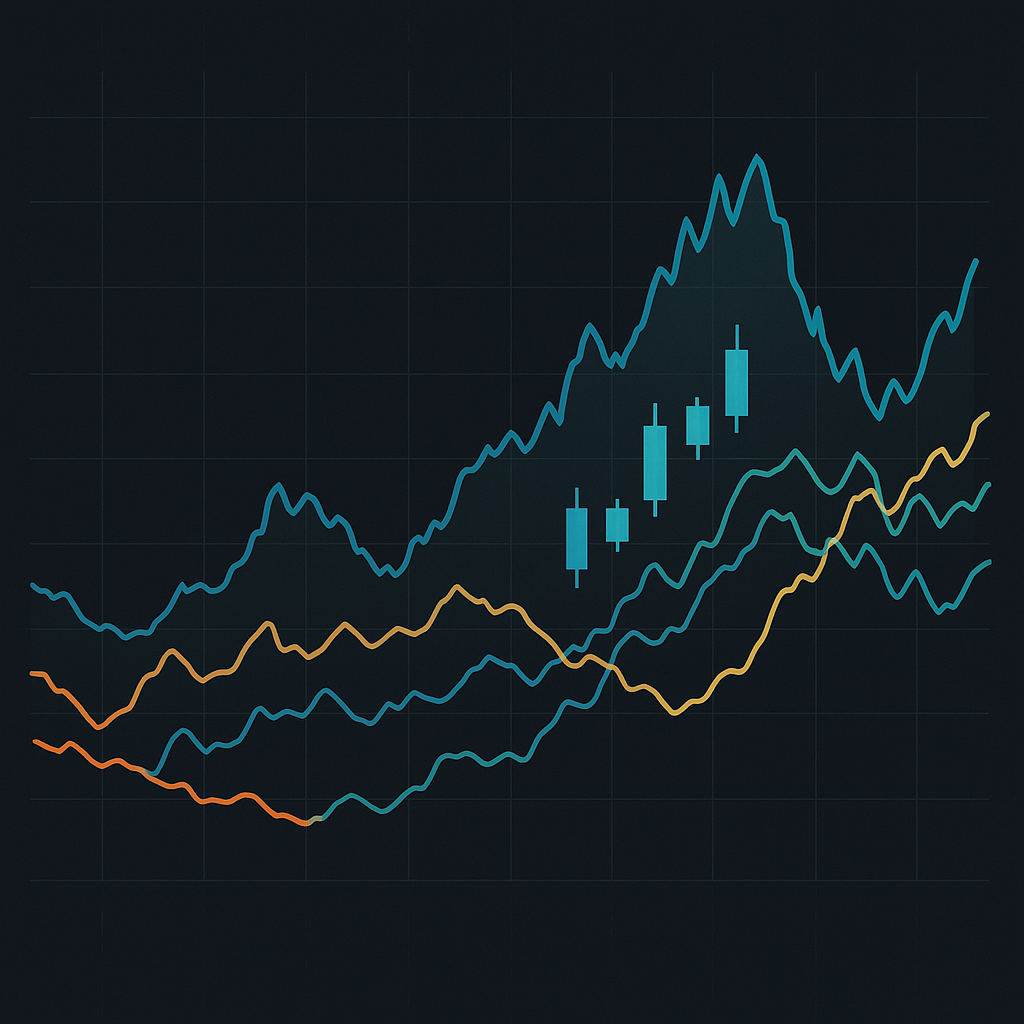
The Baltic Sea is a critical maritime route linking several key European economies. It facilitates a substantial volume of trade, impacting the flow of goods and services globally. The maritime activity in this region is not just a logistical concern; it’s a pulse of economic vitality that can influence forex markets, particularly currencies of countries around the Baltic Sea.
Understanding the Baltic Dry Index
The Baltic Dry Index (BDI) is a major economic indicator that tracks the cost of shipping raw materials across the globe. It reflects the demand for shipping capacity versus the supply of dry bulk carriers. A rising BDI indicates increased demand for shipping which often corresponds with economic growth, while a falling BDI suggests the opposite.
Understanding Forex Market Correlations
Forex market correlations refer to how different currency pairs move in relation to one another. A positive correlation means that two currency pairs move in the same direction, while a negative correlation indicates that they move in opposite directions. Understanding these relationships is crucial for traders looking to diversify their risks and optimize their portfolios.
Spotlight on EUR/USD and USD/SEK
Among the currency pairs most affected by Baltic Sea trade activities are EUR/USD and USD/SEK. The European Union's economic health is closely tied to the Baltic region, making EUR/USD a prime candidate for tracking these correlations. Similarly, the Swedish Krona (SEK), being one of the key currencies in the region, is directly influenced by trade dynamics involving Sweden.
For example, if trade activity in the Baltic Sea increases, indicating economic growth, you might see EUR/USD push upwards from 1.0420 to 1.0450, while USD/SEK could see a movement from 9.50 to 9.45, reflecting a stronger SEK due to increased trade.
Utilizing Shipping Indices in Forex Trading
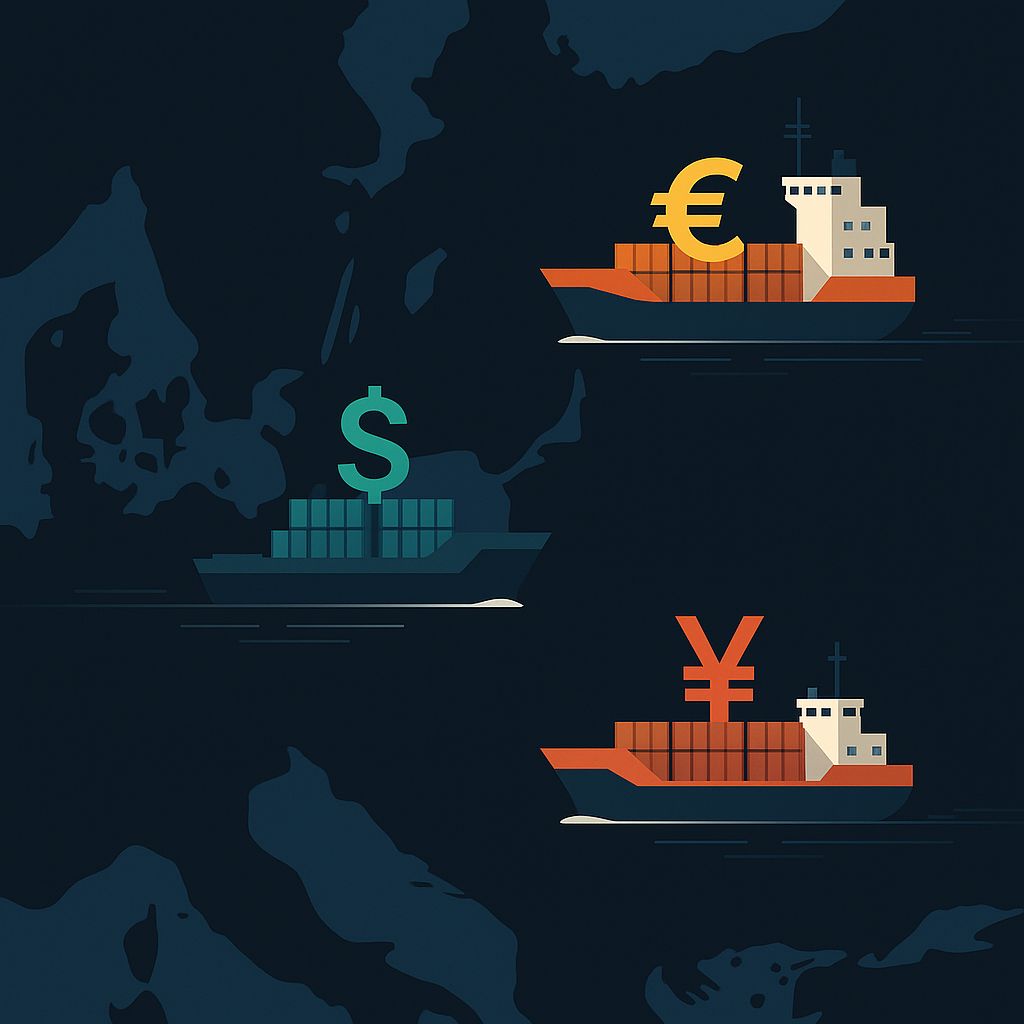
Incorporating shipping indices like the BDI into your forex strategy can provide significant insights into market trends. Here's how you can effectively use these indices:
- Trend Analysis: Use BDI trends as a leading economic indicator to anticipate currency movements.
- Risk Management: Mitigate risk by understanding the potential impact of shipping trends on your forex positions.
- Strategic Entry and Exit: Align your trade entries and exits with shifts in the BDI for optimized timing.
Step-by-Step Guide to Trading Baltic Sea Correlations
- Research and Analysis: Begin by analyzing the latest Baltic Dry Index reports and understand the current economic conditions reflected by these reports.
- Identify Correlated Currency Pairs: Focus on pairs like EUR/USD and USD/SEK that are sensitive to shifts in Baltic trade activities.
- Develop a Trading Plan: Set clear entry and exit points based on the correlation data. For instance, if the BDI is rising, consider a bullish strategy for EUR/USD.
- Implement Risk Management: Use stop-loss orders 20-50 pips from your entry to protect against unexpected volatility.
- Monitor and Adjust: Continuously monitor the BDI and other economic indicators to adjust your strategy as needed.
Comparing Baltic Sea Correlations with Other Economic Indicators
To truly appreciate the uniqueness of Baltic Sea correlations, let’s compare them with other economic indicators:
| Indicator | Relation to Forex | Strengths | Weaknesses |
|---|---|---|---|
| Baltic Dry Index (BDI) | Directly correlates with shipping rates and economic activity | Real-time economic pulse | Volatile and subject to seasonal fluctuations |
| GDP Reports | Reflects overall economic health | Comprehensive data | Lagging indicator |
| Consumer Price Index (CPI) | Influences monetary policy and currency strength | Focus on inflation | Does not capture trade dynamics |
Common Mistakes in Using Baltic Sea Correlations
Even experienced traders can overlook the nuances of Baltic Sea correlations. Here are some common mistakes to avoid:
- Over-reliance on Single Indicators: Relying solely on the BDI without considering other economic factors can lead to skewed strategies.
- Ignoring Broader Economic Context: Failing to consider geopolitical events or central bank policies can undermine your trades.
- Poor Timing: Misjudging the timing of market entries and exits based on incomplete data.
Stories from the Trading Floor
Let me share a story about a trader who successfully used Baltic Sea correlations to their advantage. This trader, let’s call him John, noticed a sharp increase in the BDI and decided to go long on EUR/USD. John set a stop-loss 30 pips below his entry at 1.0420 and aimed for a target at 1.0480, following a 1:2 risk-reward ratio. As the BDI continued to rise, so did the EUR/USD, allowing John to make a significant profit while managing his risk effectively.
Enhancing Your Forex Strategy with Baltic Sea Insights
Integrating Baltic Sea trade data into your forex strategy can provide a competitive edge by offering a unique perspective on market dynamics. It complements traditional technical and fundamental analyses, enriching your decision-making process.
Consider subscribing to professional forex signals delivered via Telegram for timely insights and strategies, especially when navigating complex correlations. Our signals page provides further details.
FAQs
- What is the Baltic Dry Index?
The Baltic Dry Index is a shipping and trade index created by the London-based Baltic Exchange, measuring the cost of transporting various raw materials. - How does the Baltic Sea affect forex trading?
The Baltic Sea influences forex trading by impacting shipping costs and trade flows, which in turn affect the economies of bordering countries and their currencies. - Can Baltic Sea correlations be used for all currency pairs?
While they primarily affect currencies of countries around the Baltic Sea, the correlations can offer indirect insights into global market trends. - How reliable is the Baltic Dry Index as an economic indicator?
It is a valuable leading indicator, but it should be used in conjunction with other economic data for comprehensive analysis.
Risk Disclaimer: Forex trading involves significant risk of loss and is not suitable for all investors. Past performance is not indicative of future results. It is recommended to practice with a demo account before trading live.