Mastering Trading Psychology: Overcome Common Pitfalls
Unlock the secrets of trading psychology. Learn how to manage emotions and build a successful trading mindset for forex.

Trading Psychology: Why Most Traders Fail and How to Succeed
Imagine this: you’ve just entered a promising trade, your analysis is spot on, and the market is moving in your favor. But as soon as the price starts to retrace, panic sets in. You close the trade prematurely, only to watch it soar to your original target. Sound familiar? This scenario plays out for traders across the globe, underscoring the critical role of trading psychology in forex success.
TL;DR: Key Takeaways
- Mastering trading psychology is essential for consistent forex success.
- Emotional control helps prevent premature trade exits and poor decision-making.
- Building discipline involves setting clear goals and sticking to your plan.
- Common pitfalls include fear, greed, and lack of a structured trading routine.
- BestForexSignals offers resources to help improve your trading mindset.
Understanding the Importance of Trading Psychology
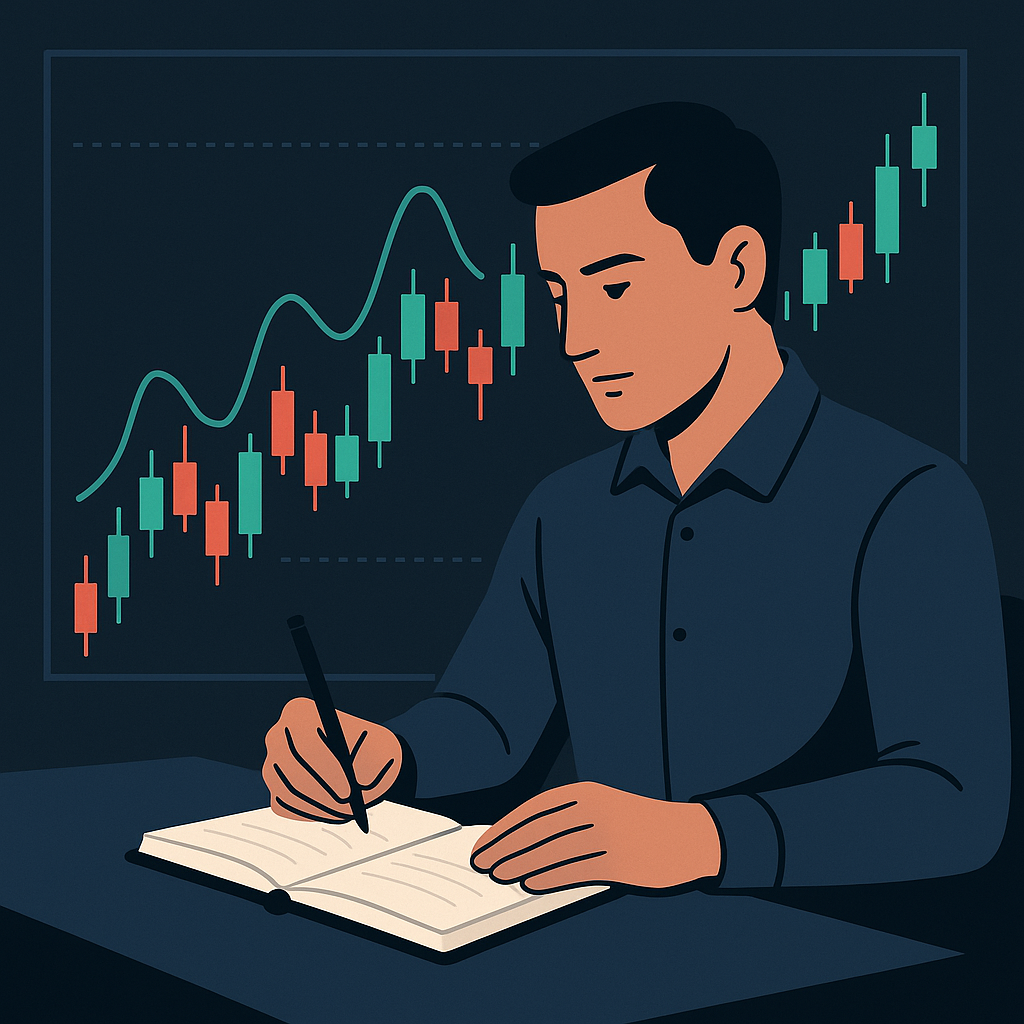
Trading psychology encompasses the emotions, mindset, and mental state that influence your trading decisions. It’s the invisible force behind every successful trade and every costly mistake. While technical and fundamental analysis are crucial, without a strong psychological foundation, even the best strategies can falter. In forex trading, where markets are volatile and unpredictable, maintaining a balanced mental state is paramount.
Common Psychological Pitfalls in Trading
Fear and Greed
Fear and greed are the two primary emotions that drive market behavior. Fear can cause traders to exit trades too early, missing out on potential profits. Conversely, greed may lead to holding positions too long, hoping for more gains, only to witness a reversal. Recognizing these emotions and their impact is the first step toward mastering trading psychology.
Overtrading
Overtrading often results from a desire to recover losses quickly or capitalize on perceived opportunities. However, this behavior typically leads to impulsive decisions and increased risk. Establishing a clear trading plan and sticking to it can help mitigate the urge to overtrade.
Confirmation Bias
Traders sometimes only seek out information that confirms their existing beliefs, ignoring evidence that contradicts their positions. This bias can lead to poor decision-making and missed opportunities. To counteract confirmation bias, continually challenge your assumptions and be open to new information.
Building Emotional Control

Developing a Routine
A structured routine can provide stability and reduce emotional volatility. Start by setting specific trading hours, taking breaks, and reviewing your performance regularly. This approach fosters discipline and keeps emotions in check.
Practicing Mindfulness
Mindfulness techniques, such as meditation and deep breathing, help traders stay calm and focused. These practices can improve your ability to manage stress and remain centered, even during market turmoil.
Journaling Your Trades
Maintaining a trading journal is a powerful tool for self-reflection and improvement. Documenting your trades, emotions, and decision-making processes allows you to identify patterns and areas for growth.
Discipline: The Key to Consistent Success
Setting Clear Goals
Successful traders set realistic, measurable goals and develop a plan to achieve them. Whether it’s a daily pip target or a specific risk-reward ratio, having clear objectives provides direction and motivation.
Sticking to Your Strategy
Once you’ve developed a trading strategy, it’s crucial to adhere to it. Deviating from your plan due to market fluctuations or emotional impulses can lead to inconsistent results. Trust your analysis and follow your rules.
Risk Management
Effective risk management is integral to trading discipline. Define your risk tolerance, set stop-loss levels, and avoid risking more than 1-2% of your capital on a single trade. For more on risk management, check out our comprehensive guide.
Case Study: A Trader’s Journey to Mastery
Consider the journey of John, a forex trader who struggled with emotional decision-making. Early in his career, John frequently experienced losses due to fear-driven exits and revenge trading. By focusing on trading psychology, implementing a structured plan, and using resources from BestForexSignals, John transformed his approach. Today, he consistently achieves his trading goals, demonstrating the power of a disciplined mindset.
Comparison: Emotional vs. Rational Trading
| Aspect | Emotional Trading | Rational Trading |
|---|---|---|
| Decision Making | Impulsive, based on emotions | Calm, based on analysis |
| Trade Management | Erratic, often exits early | Disciplined, follows plan |
| Outcome | Inconsistent results | Consistent, predictable |
Steps to Cultivate a Winning Trading Mindset
- Education: Invest time in understanding the markets and trading strategies. Consider our beginner’s guide for foundational knowledge.
- Practice: Use demo accounts to hone your skills without financial risk.
- Reflection: Regularly review your trades and learn from both successes and setbacks.
- Community: Engage with other traders to share experiences and gain insights.
- Resources: Utilize professional forex signals and educational content from BestForexSignals to enhance your trading journey.
FAQ: Common Questions about Trading Psychology
- What is trading psychology?
Trading psychology involves the emotions and mental state that influence trading decisions. - How can I control my emotions while trading?
Develop a routine, practice mindfulness, and keep a trading journal to better manage emotions. - Why do most traders fail?
Common reasons include lack of discipline, poor emotional control, and inadequate risk management. - How important is discipline in trading?
Discipline is critical. It helps you stick to your strategy and manage risk effectively. - Can trading psychology be learned?
Yes, with practice and the right resources, you can develop a strong trading mindset.
Risk Disclaimer: Forex trading involves significant risk and is not suitable for all investors. Past performance does not guarantee future results. Consider your financial situation and consult a financial advisor before trading.
Ready to elevate your trading game? Explore our professional forex signals delivered via Telegram, and access a wealth of educational content to strengthen your trading psychology. Visit our signals page for more information and start your journey to trading success today!


