Mastering Swing Trading Forex: The Busy Trader's Guide
Learn swing trading forex strategies for traders with limited time. Perfect for part-time traders.

Mastering Swing Trading Forex: The Busy Trader's Guide
Imagine being able to profit from the forex market without having to constantly monitor the charts. For many, this is the dream, and swing trading forex might just be the strategy to turn that dream into reality. Whether you're managing a full-time job or juggling other commitments, swing trading offers a way to engage with the markets efficiently and effectively.
TL;DR: Key Takeaways
- Swing trading focuses on capturing price swings over several days to weeks.
- It suits traders who can't monitor markets constantly due to other commitments.
- Key elements include technical analysis, patience, and a strong risk management strategy.
- Understand market context, like current EUR/USD at 1.0420, to make informed decisions.
- Explore BestForexSignals for professional guidance and signals.
What is Swing Trading in Forex?
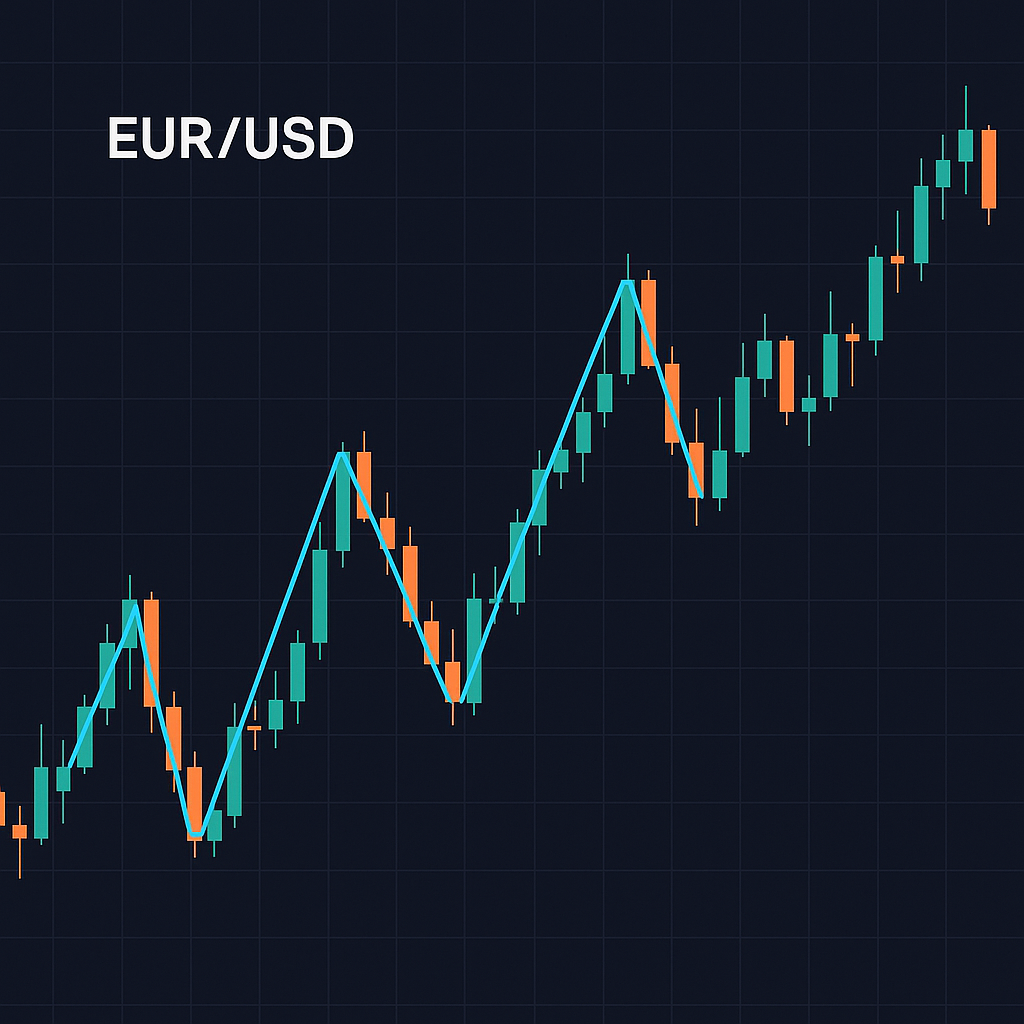
Swing trading in forex involves holding positions for several days or even weeks to capture medium-term price movements. Unlike day trading, which requires constant attention, swing trading is ideal for those who can't commit to monitoring the markets all day. This strategy allows you to balance trading with other responsibilities, making it perfect for part-time traders.
Day Trading vs. Swing Trading: A Comparison
| Aspect | Day Trading | Swing Trading |
|---|---|---|
| Time Commitment | High, full-time dedication | Moderate, several hours a week |
| Holding Period | Minutes to hours | Days to weeks |
| Market Analysis | Primarily technical, short-term | Technical and fundamental, medium-term |
| Risk Management | Frequent stop and take profit | Broader stop loss, larger targets |
Why Choose Swing Trading?
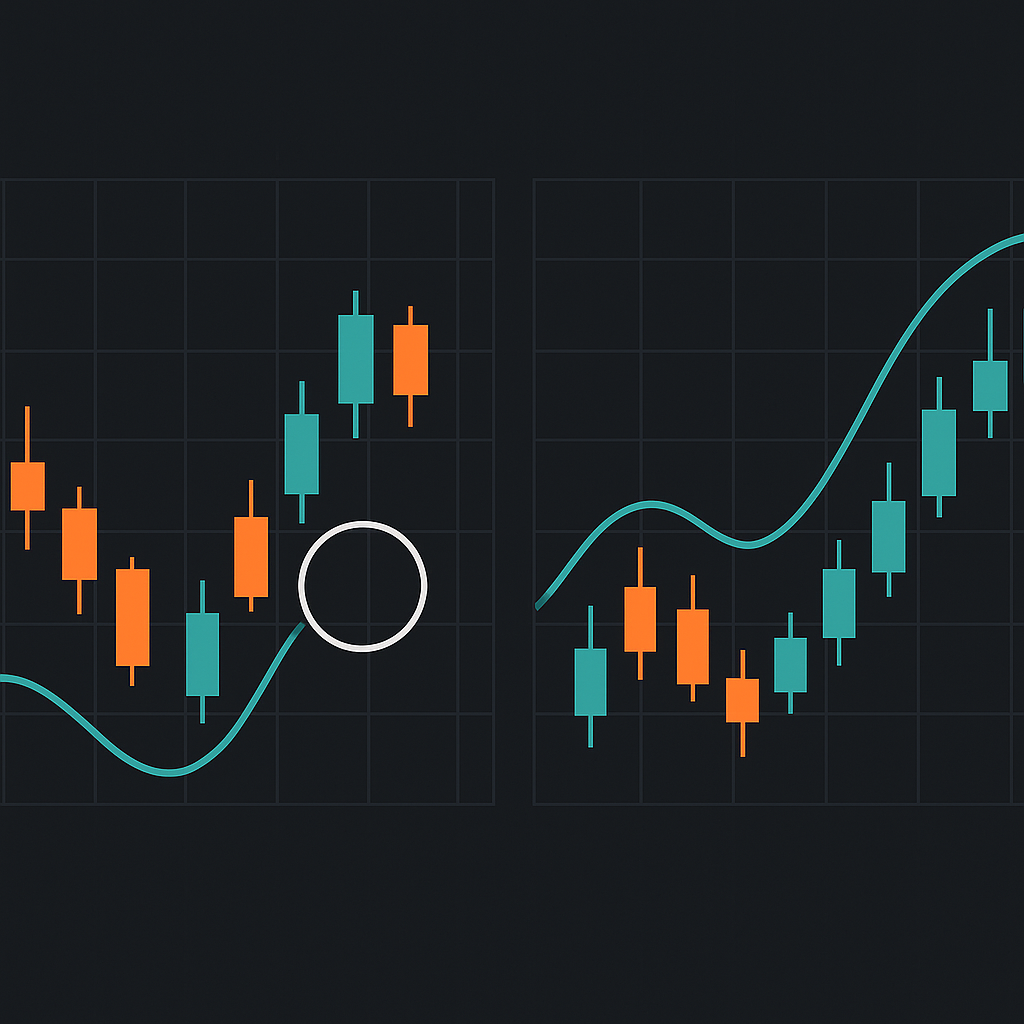
Swing trading is particularly appealing for those with limited time to dedicate to trading. It balances the need for market engagement with the flexibility to handle other life priorities. You focus on larger price moves, which means fewer trades but potentially larger gains per trade.
Setting Up Your Swing Trading Strategy
Step 1: Analyze Market Trends
Start by identifying the overall market trend using tools like moving averages or trend lines. For instance, with EUR/USD currently at 1.0420, assess whether the pair is in an uptrend or downtrend.
Step 2: Identify Swing Points
Look for swing highs and lows where price reversals are likely. This is where you place your trades, aiming to ride the price swing from one point to the next.
Step 3: Risk Management
Set stop losses and take profit levels based on a 1:2 or 1:3 risk-reward ratio. For example, if your entry is at 1.0420, your stop loss might be 20-50 pips away, with a take profit target of 60-150 pips.
Step 4: Monitor Market News
Stay informed about news that might impact your trades. Economic releases and geopolitical events can affect currency pairs like GBP/USD, currently at 1.2520.
Technical Analysis Tools for Swing Trading
Technical analysis is crucial in swing trading. Utilize indicators such as RSI, MACD, and Fibonacci retracements to find entry and exit points. These tools help confirm trends and potential reversals, enhancing your decision-making process.
Incorporating Fundamental Analysis
While swing trading is largely technical, don't ignore fundamentals. Economic indicators, central bank policies, and geopolitical events can significantly influence currency pairs. Understanding these factors helps you anticipate market movements and adjust your strategy accordingly.
Common Pitfalls and How to Avoid Them
Avoid overtrading by sticking to your strategy and not chasing every market move. Emotional trading can lead to poor decisions, so maintain discipline and adhere to your plan. Regularly review and refine your strategy based on performance.
Real-Life Example: A Swing Trade on USD/JPY
Let's consider a trade on USD/JPY, currently at 157.50. Assume you identify a potential reversal at this level based on technical indicators. You enter a short position, set a stop loss 30 pips above, and a take profit 90 pips below. This setup aligns with a 1:3 risk-reward ratio, providing a balanced approach to risk and reward.
FAQ: Common Questions about Swing Trading
- What is the best time frame for swing trading?
Typically, the 4-hour and daily charts are ideal for swing trading, allowing you to capture medium-term price movements. - How do I manage risk in swing trading?
Use stop-loss orders and maintain a favorable risk-reward ratio to protect your capital. - Can I swing trade part-time?
Yes, swing trading is designed for those who cannot monitor the markets constantly, making it suitable for part-time traders. - What are the best pairs for swing trading?
Major pairs like EUR/USD and GBP/USD are popular due to their liquidity and volatility. - How do I stay updated on market conditions?
Follow economic news and analysis from reliable sources, or consider subscribing to professional forex signals like those from BestForexSignals.
Risk Disclaimer
Forex trading involves significant risk and may not be suitable for all investors. Ensure you fully understand the risks involved, carefully consider your financial situation, and consult with a financial advisor if necessary. Past performance is not indicative of future results, and only risk capital should be used for trading.
Conclusion: Start Your Swing Trading Journey
Swing trading forex offers the perfect balance for busy traders looking to profit from the markets without the constant need to watch every tick. By developing a solid strategy and leveraging the resources available at BestForexSignals, you can enhance your trading skills and achieve your financial goals. Explore our professional signals and pricing plans today to support your trading journey.


