Mastering Forex Volatility: Strategies for High Movement Markets
Navigate forex volatility with expert strategies. Maximize opportunities in high movement markets.

Harnessing Forex Volatility: How to Thrive in High Movement Periods
In the fast-paced world of forex trading, volatility is both a friend and foe. The ability to capitalize on rapid price movements can be highly lucrative, yet it also demands a heightened level of skill and strategy. Imagine navigating a stormy sea; with the right tools and mindset, you can harness the winds to sail forward successfully. But without preparation, the same conditions can capsize your efforts.
TL;DR
- Volatility in forex markets presents both risks and opportunities.
- Identify volatile conditions using technical indicators and economic events.
- Adapt trading strategies such as breakout and trend-following to capitalize on volatility.
- Effective risk management is crucial to protect your capital.
- Maintain discipline and emotional control to make informed decisions.
Understanding Forex Volatility
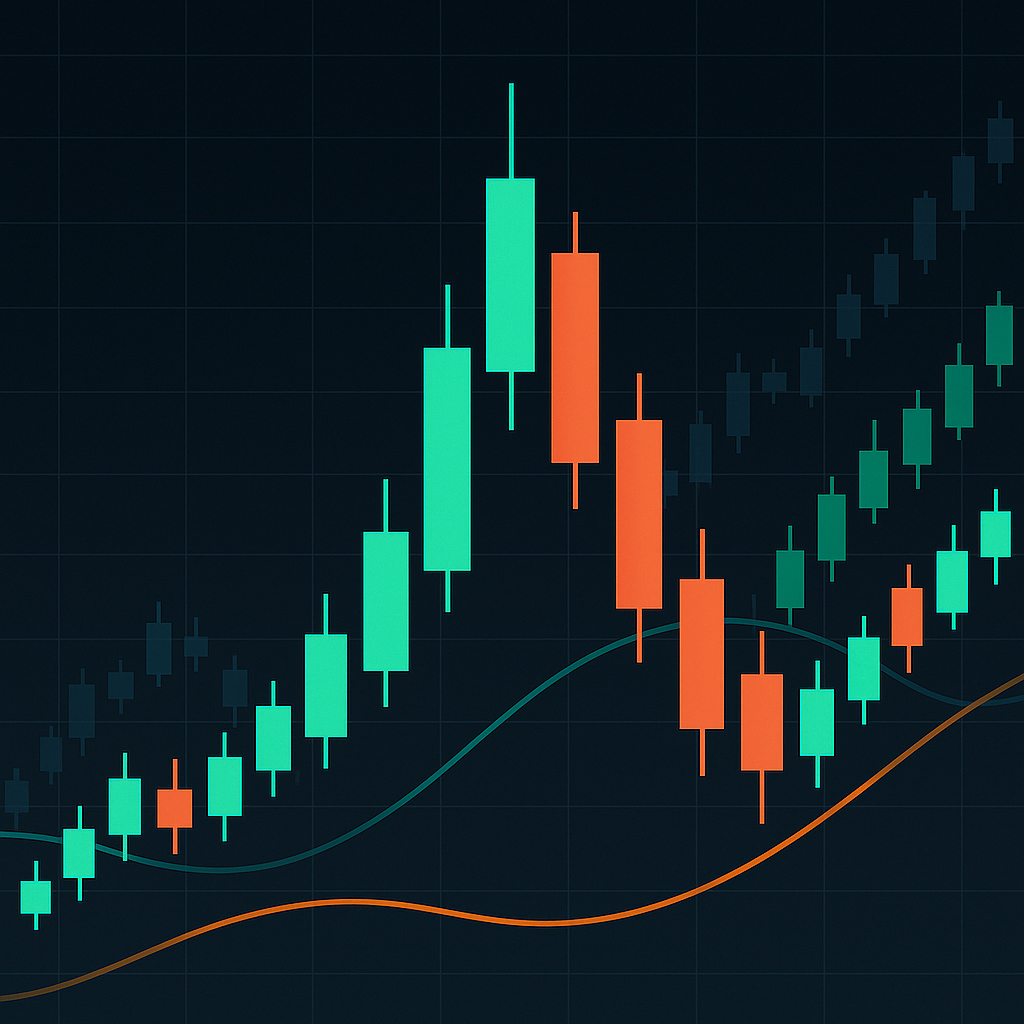
Forex volatility refers to the frequency and magnitude of price movements in the currency markets. High volatility is characterized by rapid price changes, which can be triggered by economic data releases, geopolitical events, or unexpected market news. For instance, when the EUR/USD experiences a sudden drop from 1.0420 to 1.0390 in a matter of minutes, traders must quickly adapt to the shifting landscape.
Volatility is not inherently negative; it is a natural part of the forex market. What matters is how traders prepare for and respond to these conditions. Understanding and anticipating volatility can turn potential challenges into profitable opportunities.
Identifying Volatile Market Conditions
Recognizing when the forex market is likely to become volatile is the first step in developing an effective trading strategy. Here are some methods to identify periods of high volatility:
1. Economic Calendar Analysis
Economic calendars list scheduled releases of key economic indicators, such as non-farm payrolls, interest rate decisions, and GDP reports. These events often lead to significant market movements. Traders should pay close attention to these dates and prepare for increased volatility.
2. Technical Indicators
Indicators such as the Average True Range (ATR) and Bollinger Bands can provide insights into current market volatility. The ATR measures market volatility by calculating the average range of price movements, while Bollinger Bands widen during periods of high volatility.
3. News and Geopolitical Events
Unanticipated events, such as geopolitical tensions or natural disasters, can suddenly shift market dynamics. Staying informed through reliable news sources can help traders anticipate market reactions to such events.
Adapting Trading Strategies for Volatile Markets
Once you have identified potential volatility, the next step is to adapt your trading strategies accordingly. Here are some strategies that thrive in volatile conditions:
1. Breakout Trading
Breakout trading involves entering the market when the price moves beyond a predefined level of support or resistance. High volatility can lead to strong breakouts, offering lucrative opportunities for traders. For example, if GBP/USD breaks above 1.2550, traders might enter a long position, anticipating further upward movement.
2. Trend-Following
Trend-following strategies work well in volatile markets where strong trends can develop. By using moving averages or trendlines, traders can identify and ride these trends. It's important to set stop losses carefully, for instance, 30 pips below the entry price in case of a reversal.
3. Scalping
Scalping is a strategy that involves making quick trades to capture small price changes. In volatile markets, price fluctuations can be more pronounced, offering more opportunities for scalping. However, this strategy requires fast decision-making and efficient execution.
Managing Risk in Volatile Markets
Risk management is crucial, especially in volatile markets where prices can change rapidly. Here are key risk management techniques:
1. Position Sizing
Determine the appropriate size of each trade based on your risk tolerance. For example, risking 1-2% of your trading account per trade can help protect your capital from significant losses.
2. Stop Loss and Take Profit Levels
Set stop loss and take profit levels to manage trades automatically. In volatile markets, consider wider stop loss levels, such as 50 pips, to accommodate larger price swings while maintaining a risk-reward ratio of at least 1:2.
3. Diversification
Diversify your trades across different currency pairs to reduce risk exposure. For instance, trading both EUR/USD and USD/JPY can balance potential losses with potential gains.
Emotional Control and Trading Psychology
Emotional control is a critical factor in successful trading, particularly in volatile environments. High volatility can trigger stress and impulsive decisions. Here's how to maintain composure:
1. Develop a Trading Plan
A well-defined trading plan outlines your strategies, rules, and risk management techniques. Sticking to this plan helps prevent emotional trading decisions.
2. Practice Patience and Discipline
It's important to wait for clear signals before entering a trade. Avoid chasing the market and remain disciplined in your approach.
3. Use a Demo Account
Practicing with a demo account allows you to experience volatile market conditions without risking real money. This builds confidence and refines your strategy before trading live.
Tools for Navigating Volatile Markets
Utilizing the right tools can enhance your ability to navigate volatile markets:
1. Forex Signals
2. Technical Analysis Platforms
Platforms offering advanced charting tools and indicators help analyze market conditions and identify trading opportunities. Consider tools like MetaTrader or TradingView.
3. Economic Calendars
Use economic calendars to stay informed about upcoming events that could influence market volatility, allowing you to plan your trades accordingly.
Case Study: Trading During the 2020 Market Volatility
The year 2020 was marked by unprecedented volatility due to the COVID-19 pandemic. Currency pairs like USD/JPY saw dramatic movements, with prices swinging significantly in response to global news. Traders who adapted quickly to these conditions by employing breakout strategies and rigorous risk management were able to capitalize on the market dynamics.
Comparison of Volatile and Stable Market Strategies
| Aspect | Volatile Markets | Stable Markets |
|---|---|---|
| Strategy | Breakout, Trend-following | Range-bound, Mean Reversion |
| Risk Management | Wider stops, Diversification | Tighter stops, Concentration |
| Emotional Control | High discipline needed | Moderate discipline needed |
FAQs
What causes forex market volatility?
Volatility can be caused by economic data releases, geopolitical events, and unexpected news. These factors lead to rapid price changes as traders react to new information.
How can I protect my trades in volatile markets?
Use risk management techniques such as setting stop losses, diversifying your trades, and adjusting position sizes to protect your capital.
Is volatility beneficial for traders?
Volatility presents both opportunities and risks. It can lead to profitable trades if managed correctly, but it also requires careful risk management.
What tools can help me trade in volatile markets?
Forex signals, technical analysis platforms, and economic calendars are essential tools for navigating volatile markets effectively.
Should beginners trade in volatile markets?
Beginners should practice with a demo account to gain experience in volatile markets without risking real money.
Risk Disclaimer: Forex trading involves significant risk of loss and is not suitable for all investors. The information provided here is for educational purposes only and does not constitute financial advice. Past performance is not indicative of future results. It is recommended to practice on a demo account before trading live.