Harness Forex Seasonality: Profit from Cyclical Patterns Today
Explore forex seasonality and learn to profit from cyclical patterns in currency trading.

Harnessing Forex Seasonality: A Guide to Profiting from Cyclical Patterns
Imagine having a secret weapon in your trading toolkit that allows you to anticipate market movements before they occur. Forex seasonality offers this potential by helping traders identify and capitalize on recurring patterns in the currency markets. In this comprehensive guide, we’ll explore how you can harness the power of forex seasonality to enhance your trading strategy and potentially boost your returns.
TL;DR: Key Takeaways
- Forex seasonality refers to predictable patterns and trends that occur at certain times of the year.
- Identifying seasonal trends involves analyzing historical data and understanding market drivers.
- Incorporating seasonality into trading strategies requires a mix of technical and fundamental analysis.
- Risk management and position sizing are crucial when trading seasonal patterns.
- Forex seasonality is not foolproof; always test strategies on a demo account first.
Understanding Forex Seasonality
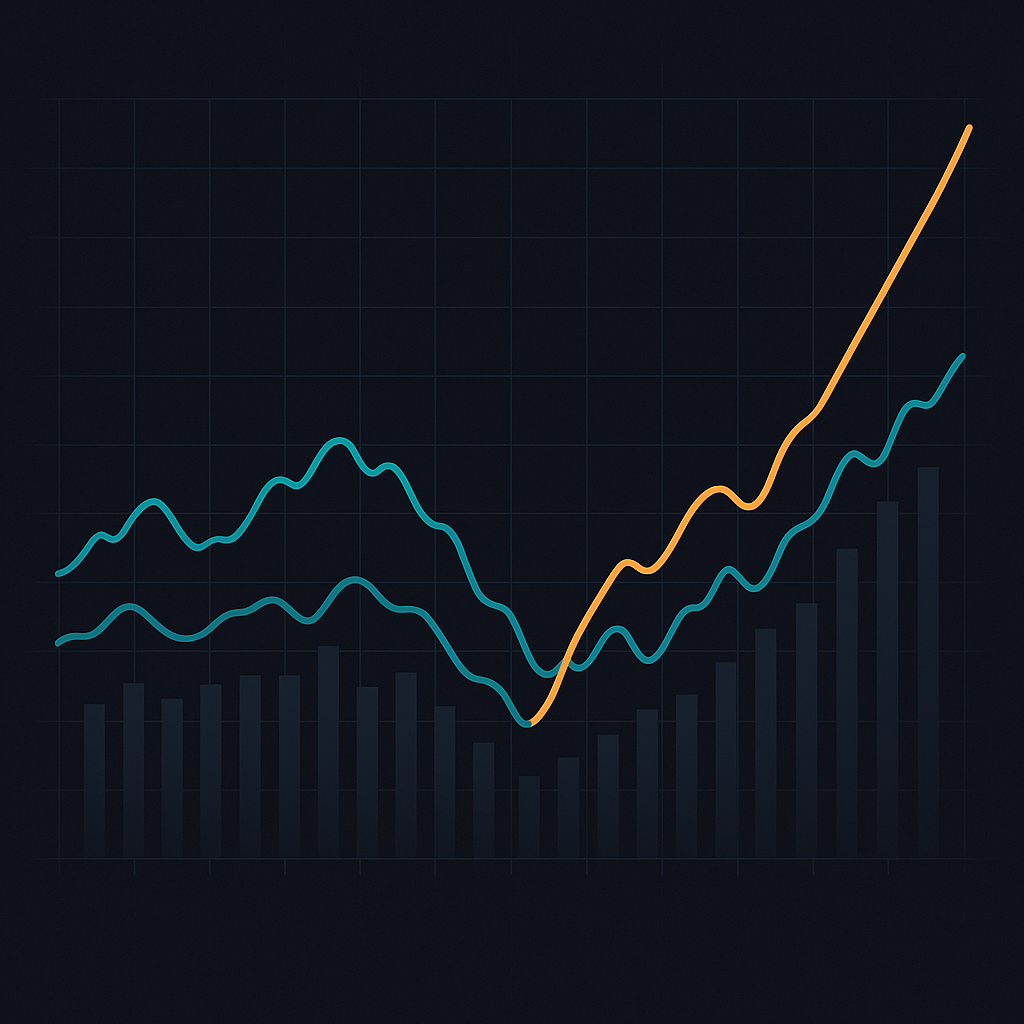
Forex seasonality refers to the recurring patterns and trends that can be observed in currency pairs over specific periods. These patterns are typically driven by economic cycles, geopolitical events, and market sentiment, which can affect currency values repeatedly at similar times each year. For example, the EUR/USD pair might exhibit strength during the summer months due to increased tourism and economic activity in Europe.
Why Seasonality Matters
Seasonality matters because it allows traders to anticipate market movements based on historical patterns. By understanding when certain currency pairs are likely to strengthen or weaken, traders can make more informed decisions about when to enter or exit trades. This can be particularly advantageous in a volatile market environment, where having a strategic edge can make all the difference.
Analyzing Historical Seasonal Trends
To effectively leverage forex seasonality, traders must analyze historical data to identify patterns. This involves examining price charts over several years to spot recurring trends. For instance, you might observe that the GBP/USD pair tends to rally in the months leading up to the holiday shopping season, driven by increased consumer spending in the UK.
Tools for Seasonal Analysis
Several tools can aid in seasonal analysis, including:
- Seasonal Charts: Visual representations of average price movements over specific periods.
- Historical Data: Access to past price data for detailed analysis.
- Calendar Effects: Understanding the impact of recurring events like fiscal quarters and holidays.
Implementing Seasonality in Your Trading Strategy

Once you've identified potential seasonal trends, the next step is to integrate them into your trading strategy. This involves using a combination of technical indicators and fundamental analysis to confirm the validity of the seasonal pattern.
Step-by-Step Strategy Integration
- Identify the Pattern: Use seasonal charts and historical data to pinpoint potential trends.
- Confirm with Technical Analysis: Apply indicators like moving averages or RSI to validate the pattern.
- Consider Fundamental Factors: Analyze economic data and news events that could impact the trend.
- Set Entry and Exit Points: Establish clear stop-loss and take-profit levels based on your analysis.
- Monitor and Adjust: Continuously monitor your trades and adjust your strategy as necessary.
Comparison of Major Currency Pairs and Their Seasonal Patterns
| Currency Pair | Common Seasonal Trend | Example Month |
|---|---|---|
| EUR/USD | Strengthens in summer | June |
| GBP/USD | Rallies in Q4 | November |
| USD/JPY | Weakens in Q1 | March |
Risk Management and Forex Seasonality
No trading strategy is complete without a solid risk management plan. Since forex seasonality involves predicting future movements based on past data, there is always the risk that patterns may not repeat as expected. Therefore, implementing strict risk management techniques is crucial.
Key Risk Management Practices
- Use Stop-Loss Orders: Protect your trades by setting stop-loss orders 20-50 pips from your entry point.
- Maintain a 1:2 or 1:3 Risk-Reward Ratio: Ensure that potential rewards outweigh the risks.
- Trade with a Demo Account: Test your strategies in a risk-free environment before trading live.
Real-World Examples of Forex Seasonality
Let's delve into some real-world examples of forex seasonality in action. Consider the USD/JPY pair, which historically weakens during the first quarter. This trend can be attributed to the fiscal year-end in Japan, leading to repatriation of funds. Traders who recognize this pattern can position themselves advantageously by shorting USD/JPY at the start of the year and taking profits as the yen strengthens.
FAQ: Common Questions about Forex Seasonality
- What is forex seasonality? Forex seasonality refers to recurring patterns in currency movements during specific times of the year.
- How can I identify seasonal trends? By analyzing historical data and using tools like seasonal charts and economic calendars.
- Is seasonality a reliable trading strategy? While it can provide an edge, it should be complemented with other analysis forms and risk management.
- Can I use seasonality on any currency pair? Most major pairs exhibit some seasonal trends, but it's crucial to analyze each pair individually.
Risk Disclaimer: Trading forex involves significant risk and may not be suitable for all investors. Past performance is not indicative of future results. Always conduct thorough research and consider your financial situation before trading.